Best Gochujang Pasta Recipe
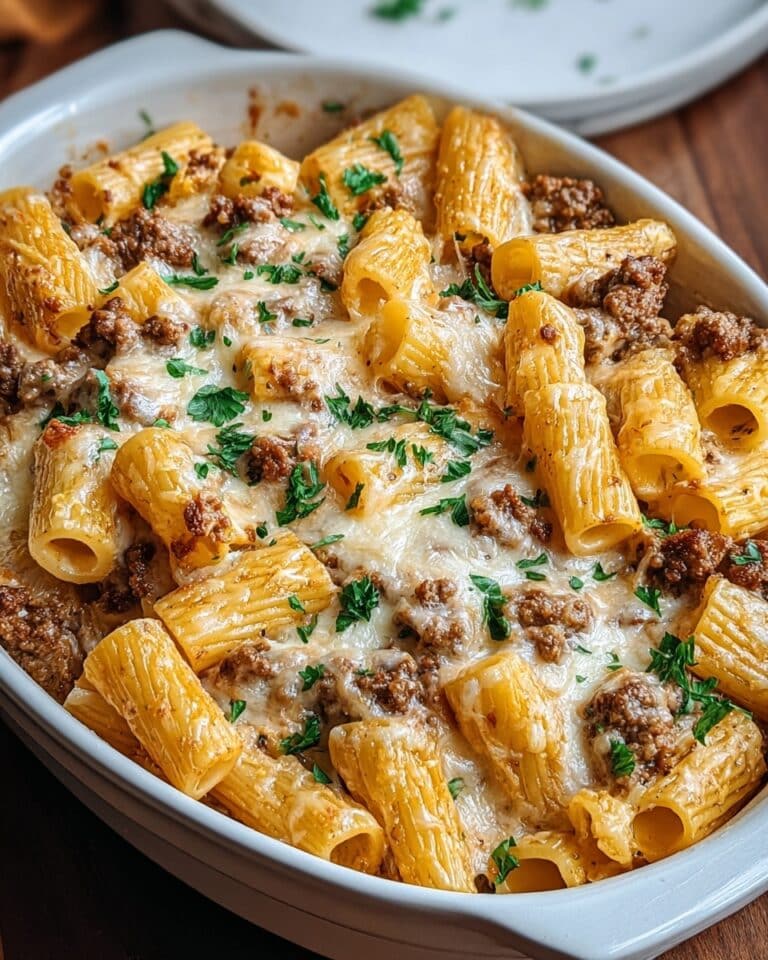
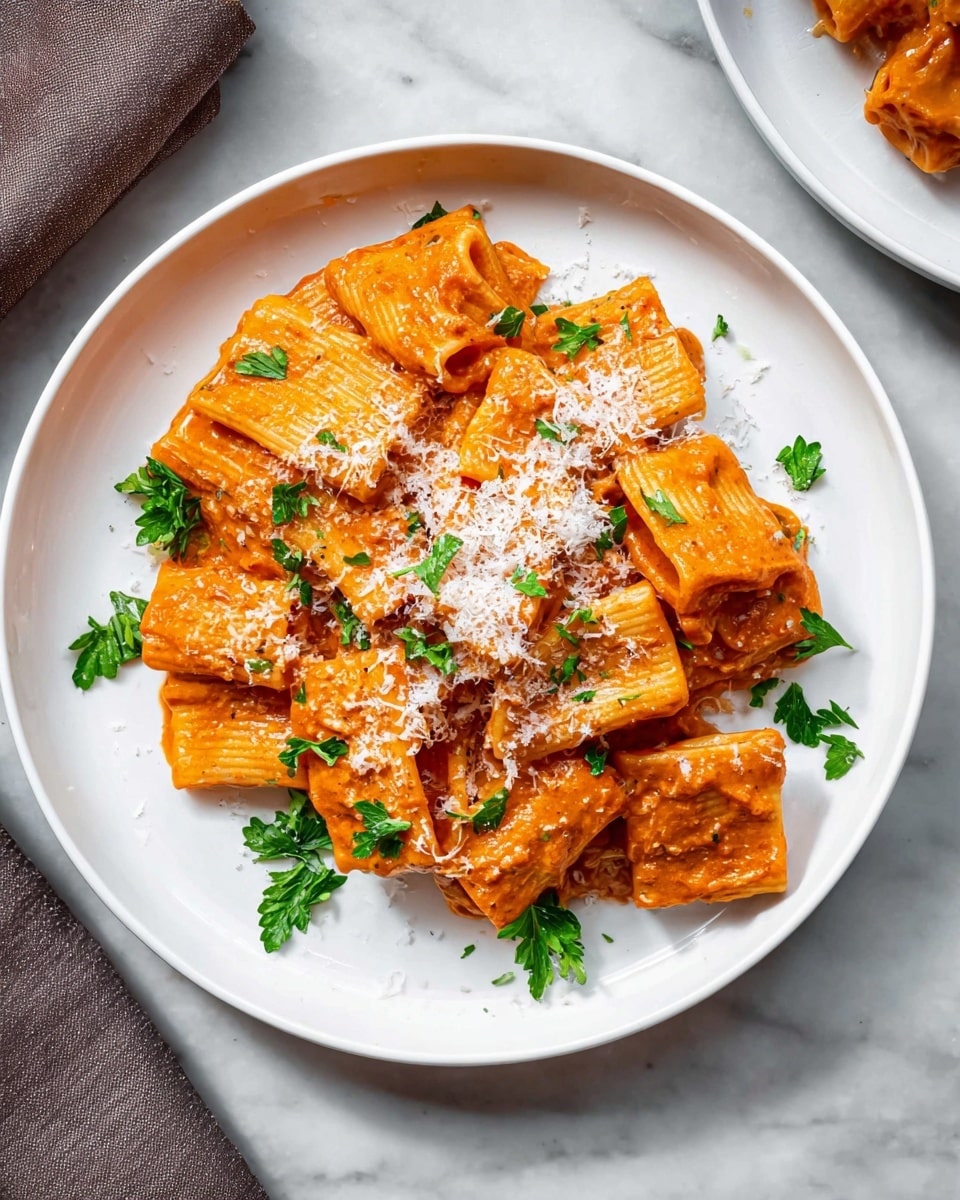
Picture this: a steaming bowl of glossy, fiery-red pasta swirled with a silky sauce that hugs each rigatoni like a warm, comforting hug. The aroma of garlic dancing with the rich, deep notes of gochujang teases your senses, instantly waking your appetite. Making this dish is a joyous adventure, and the best part? It’s ready in just 20 minutes, making weeknight dinners feel like a gourmet celebration.
Why You’ll Love This Best Gochujang Pasta Recipe
- Ready in 20 minutes: This recipe fits perfectly into busy schedules without sacrificing flavor or excitement.
- Simple, everyday ingredients: You probably already have most of these in your pantry, which means less fuss and more cooking fun.
- Incredibly creamy and rich: The blend of heavy cream, butter, and parmesan creates an indulgent sauce that’s both comforting and unique.
- Impressively versatile: Dress it up or down, veganize it or spice it up—there’s a way for everyone to enjoy it.
- Bold, unforgettable flavor: Gochujang lends this pasta an addictive umami heat that keeps you coming back for more.
Why This Best Gochujang Pasta Recipe Works
This recipe is magic because of its balance of heat and creaminess. Toasting the gochujang paste in butter unlocks its rich, caramelized depths, intensifying the spicy-sweet flavors. The secret is also in saving some pasta water to loosen the sauce—it gives the dish that perfectly luscious, silky texture that clings to each noodle. And don’t underestimate the parmesan: its nutty, salty bite brightens the creamy sauce and deepens the overall profile. These carefully orchestrated steps transform a simple pasta dish into something truly spectacular.
Ingredients You’ll Need
Gather these straightforward yet vibrant ingredients, each playing an essential role in crafting the signature creamy, spicy sauce and perfectly cooked pasta.
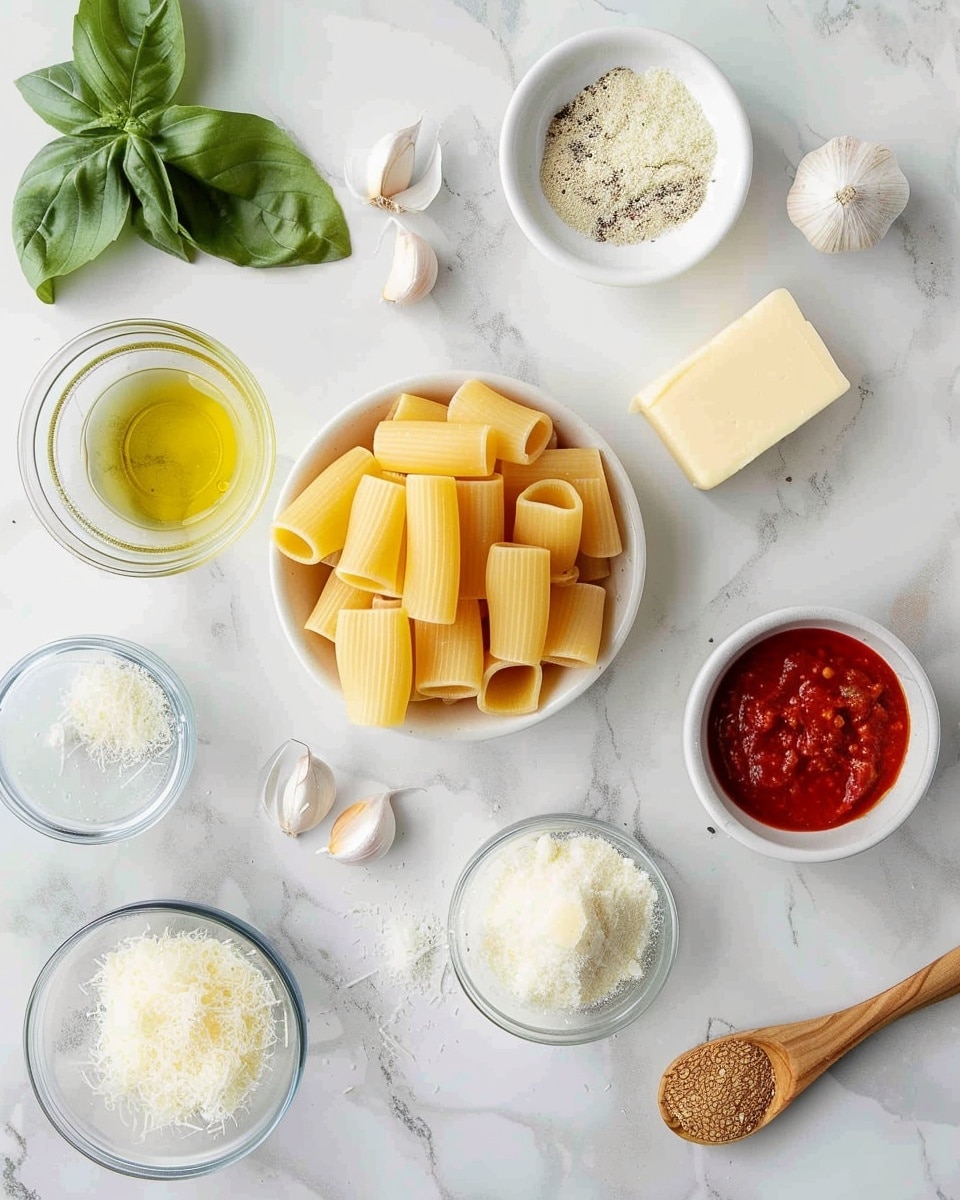
- 1 lb pasta: Large rigatoni is fantastic for holding sauce, but feel free to use your favorite shape.
- 1/2 cup pasta water: The starchy magic that smooths and binds your sauce.
- 1 tsp olive oil: For coating the pasta and adding a hint of fruitiness.
- 2 tbsp butter: The golden richness that carries the gochujang flavors beautifully.
- 4-6 garlic cloves, minced: Infuse the base with savory depth and irresistible aroma.
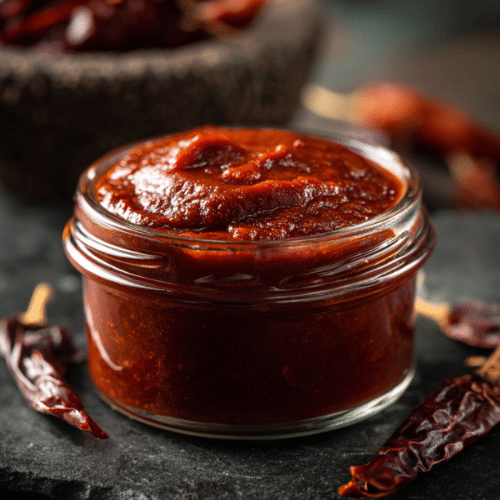
- 2 tbsp gochujang: The Korean chili paste that delivers warmth, sweetness, and umami punch.
- 1 cup heavy cream: Creates that indulgent, silky finish that you’ll crave.
- 1/4 tsp salt: Balances and enhances all the ingredients.
- 1/4 tsp smoked paprika (optional): Adds a whisper of smoky complexity.
- 1/4 cup freshly grated parmesan: The salty, nutty crowning glory.
- Freshly cracked black pepper: For a lively kick at the end.
Ingredient Substitutions & Tips
- Pasta: Swap with gluten-free pasta or zoodles for a low-carb twist.
- Butter: Use olive oil or vegan butter if you prefer dairy-free options.
- Heavy cream: Try full-fat coconut milk from a can or vegan cream alternatives to keep it plant-based and rich.
- Parmesan: Nutritional yeast or vegan parmesan make great dairy-free substitutes without sacrificing flavor.
👨🍳 Pro Tips for Perfect Results
- Cook pasta al dente: Save some pasta water and cook just shy of package instructions for that ideal bite.
- Don’t rush to drain all pasta water: That flavorful water is liquid gold for your sauce.
- Toast the gochujang: Let it caramelize slightly in the butter to bring out a deeper, richer flavor.
- Adjust spice level: Add extra gochujang if you love an intense kick or tone it down for subtle heat.
- Use freshly grated parmesan: It melts beautifully and adds freshness you just can’t get from pre-grated.
How to Make Best Gochujang Pasta Recipe
Step 1: Cook Your Pasta to Al Dente Perfection
Bring a large pot of salted water to a rolling boil and add your pasta. Stir occasionally and cook for about one minute less than the package suggests—this keeps the pasta firm yet tender, perfect for absorbing sauce without turning mushy.
💡 Pro Tip: Reserve at least half a cup of that starchy pasta water before draining—it’s your secret weapon!
Step 2: Toss Pasta with Olive Oil to Prevent Sticking
Drain the pasta and immediately toss it in a bowl with a teaspoon of olive oil. This little step ensures the noodles stay separate and silky, setting the stage for the sauce to cling evenly.
💡 Pro Tip: Use a fork to gently fluff the pasta without breaking the noodles.
Step 3: Infuse Butter with Garlic and Toast the Gochujang
Return your empty pot to medium heat and melt butter until it starts to sizzle. Add minced garlic and stir often for 30 seconds to a minute until fragrant but not browned. Next, stir in the gochujang, letting it cook for 1-2 minutes until it darkens slightly and caramelizes—this step supercharges the depth and complexity of the sauce.
💡 Pro Tip: Keep stirring so the gochujang doesn’t burn—this maintains a perfect balance of smoky sweetness.
Step 4: Create a Silky Sauce with Cream and Pasta Water
Add heavy cream and half of your reserved pasta water to the pot. Stir continuously until the sauce becomes smooth and creamy. Season gently with salt, black pepper, and smoked paprika if using. Allow the sauce to gently simmer, marrying all those bold flavors together.
💡 Pro Tip: If sauce feels too thick, add more pasta water—aim for that luscious, coat-the-pasta consistency.
Step 5: Combine Pasta and Sauce, Melt in Parmesan
Finally, add your pasta and grated parmesan to the sauce. Lower the heat and stir often until everything is coated in the thickened sauce and the cheese melts, creating a dreamy, velvety finish.
💡 Pro Tip: Taste and tweak seasoning—sometimes a little extra salt or pepper makes all the difference.
Step 6: Serve Hot and Garnish
Remove from heat and serve immediately with extra parmesan and fresh parsley if desired. The warmth and aroma will be irresistible!
💡 Pro Tip: A sprinkle of chili flakes adds an enticing final punch for spice lovers.
Common Mistakes to Avoid
Learn from these common pitfalls:
- Overcooking pasta: Makes your dish mushy and less enjoyable.
- Skipping reserved pasta water: You lose that silky sauce texture and flavor boost.
- Burning garlic: Turns bitter and overpowering, so watch closely.
- Not toasting gochujang: You miss out on deeper caramelized flavors.
- Adding parmesan too early: It can clump and lose its creamy effect.
- Under-seasoning: This sauce needs balanced salt and pepper to shine.
Delicious Variations to Try
Once you’ve mastered the classic, experiment with these twists to keep things exciting:
Spicy Shrimp Gochujang Pasta
Toss in sautéed shrimp for succulent seafood goodness that complements the spicy-sweet sauce perfectly.
Mushroom & Spinach Gochujang Pasta
Add earthy mushrooms and fresh spinach for a veggie-packed, vibrant spin on the original.
Vegan Delight
Swap butter for olive oil, use coconut cream and vegan parmesan to make it completely plant-based but still decadent.
Cheesy Bacon Gochujang Pasta
Crunchy, smoky bacon makes a mouthwatering addition to the creamy pasta, creating irresistible layers of flavor.
Roasted Veggies Gochujang Pasta
Roast an assortment of seasonal vegetables and stir them into the sauce for a hearty, colorful bowl.
Extra Spicy Firecracker Version
Incorporate extra gochujang and a dash of chili flakes for those who crave a bold, fiery kick.
How to Serve Best Gochujang Pasta Recipe
Garnishes
Freshly chopped parsley, extra parmesan, a drizzle of olive oil, and red chili flakes all add vibrant color and texture.
Side Dishes
Pair with a crisp green salad, garlic bread, or steamed broccoli for a balanced, satisfying meal.
Creative Ways to Present
Serve in warmed bowls for cozy vibes or plate as twirled nests topped with microgreens and edible flowers for that wow factor at gatherings.
Make Ahead and Storage
Storing Leftovers
Store leftover pasta in an airtight container in the refrigerator for up to 3 days. It’s best to undercook the pasta slightly if you plan ahead to prevent mushiness later.
Freezing
While fresh is best, you can freeze the pasta in portioned containers for up to a month. Thaw overnight in the fridge before reheating gently.
Reheating
Warm leftovers in a skillet over low heat with a splash of cream or reserved pasta water to revive the luscious texture without drying out the sauce.
FAQs
Can I use other types of pasta?
Absolutely! Rigatoni holds sauce beautifully, but penne, fusilli, or even spaghetti will work fine.
Is gochujang very spicy?
Gochujang has a balanced heat with sweetness and umami—add more for extra spice, or less if you prefer mild.
Can I make this recipe vegan?
Yes! Use vegan butter, coconut or plant-based cream, and vegan parmesan to keep all the creamy goodness without dairy.
What if I don’t have smoked paprika?
No problem! You can skip it or substitute with a pinch of regular paprika or a tiny dash of liquid smoke for a hint of smokiness.
How do I store leftover sauce?
Store it separately in an airtight container up to 3 days and reheat gently before mixing with pasta.
Can I use pre-minced garlic?
Fresh minced garlic delivers the best aroma, but pre-minced can work—just add it a little later to avoid bitterness.
What’s the best way to clean the pot used for toasting gochujang?
Fill it with warm water and a bit of dish soap immediately after cooking, and soak for a few minutes to loosen any residue.
Can I prepare parts of this dish ahead of time?
You can mince garlic and grate parmesan ahead. Cook the pasta just before serving for the freshest texture.
Final Thoughts
This Best Gochujang Pasta Recipe is a celebration of bold flavors and creamy comfort all in one vibrant dish. Whether you’re welcoming friends for dinner or craving a cozy solo meal, it’s a quick, unforgettable recipe that will brighten any table and nourish your soul.
Have you tried this Best Gochujang Pasta Recipe? I’d love to hear how it turned out! Leave a comment below. If you loved this recipe, please share it with friends and family. Happy cooking! 🍝
PrintBest Gochujang Pasta Recipe
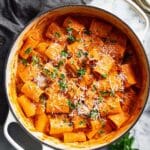
This BEST Gochujang Pasta recipe combines the creamy richness of a classic pasta sauce with the spicy, savory depth of Korean gochujang paste. Perfectly al dente pasta is coated in a luscious sauce made with garlic, butter, gochujang, and heavy cream, then topped with freshly grated Parmesan and optional smoked paprika for a smoky twist. Ready in just 20 minutes, it’s a flavorful fusion dish that’s both comforting and exciting.
- Prep Time: 5 minutes
- Cook Time: 15 minutes
- Total Time: 20 minutes
- Yield: 4 servings 1x
- Category: Dinner
- Method: Stovetop
- Cuisine: Fusion (Korean-Italian)
Ingredients
Pasta
- 1 lb (250g) pasta of choice (large rigatoni recommended; use gluten-free if needed)
- 1/2 cup reserved pasta water
- 1 tsp olive oil (plus more for coating the pasta)
Sauce
- 2 tbsp butter (or olive oil/vegan butter if needed)
- 4–6 garlic cloves, minced
- 2 tbsp gochujang (add 3 tbsp if a spicier sauce is desired)
- 1 cup heavy cream (or vegan cream/full-fat canned coconut milk)
- 1/4 tsp salt
- 1/4 tsp smoked paprika (optional)
- 1/4 cup freshly grated Parmesan cheese (use vegan Parmesan if needed)
- Freshly cracked black pepper, to taste
Instructions
- Cook the Pasta: Fill a large pot with salted water and bring it to a boil. Add the pasta and cook for 1 minute less than the package instructions to ensure it is al dente. Reserve 1/2 cup of pasta water before draining the pasta.
- Prevent Sticking: Drain the pasta and transfer it to a bowl. Toss with a drizzle of olive oil to prevent sticking. Set aside while preparing the sauce.
- Melt Butter and Sauté Garlic: In the same pot used for the pasta, melt the butter over medium heat. Once sizzling, add the minced garlic and cook for 30 seconds to 1 minute, stirring frequently until fragrant.
- Add and Toast Gochujang: Stir in the gochujang paste, toasting it for 1-2 minutes until it darkens in color and begins to caramelize slightly, enhancing its flavor.
- Create the Creamy Sauce: Pour in the heavy cream and half of the reserved pasta water. Stir until the sauce is smooth and creamy. Season with salt, freshly cracked black pepper, and smoked paprika if using. Bring the sauce to a gentle simmer.
- Combine Pasta and Sauce: Add the cooked pasta and grated Parmesan cheese to the sauce. Reduce heat to low and cook, stirring often, until the sauce thickens and coats the pasta thoroughly.
- Adjust Seasoning and Serve: Remove from heat and taste the pasta. Adjust seasoning with additional salt, black pepper, or pasta water to thin the sauce if necessary. Serve immediately with extra Parmesan cheese and optional fresh parsley sprinkled on top.
Notes
- Use gluten-free pasta to make this recipe gluten-free.
- Substitute heavy cream with vegan cream or full-fat coconut milk for a dairy-free option.
- Adjust gochujang quantity to control spice level; adding up to 3 tablespoons will make it spicier.
- Smoked paprika is optional but adds a subtle smoky flavor that complements the gochujang.
- To keep pasta from sticking, toss immediately with olive oil after draining.
- Gochujang paste can be found in most Asian grocery stores or online.
- Serve with fresh parsley for a pop of color and freshness if desired.
Keywords: Gochujang pasta, spicy pasta recipe, Korean fusion pasta, creamy pasta sauce, easy dinner, rigatoni pasta dish