Korean Egg Rice: A Quick & Delicious Recipe
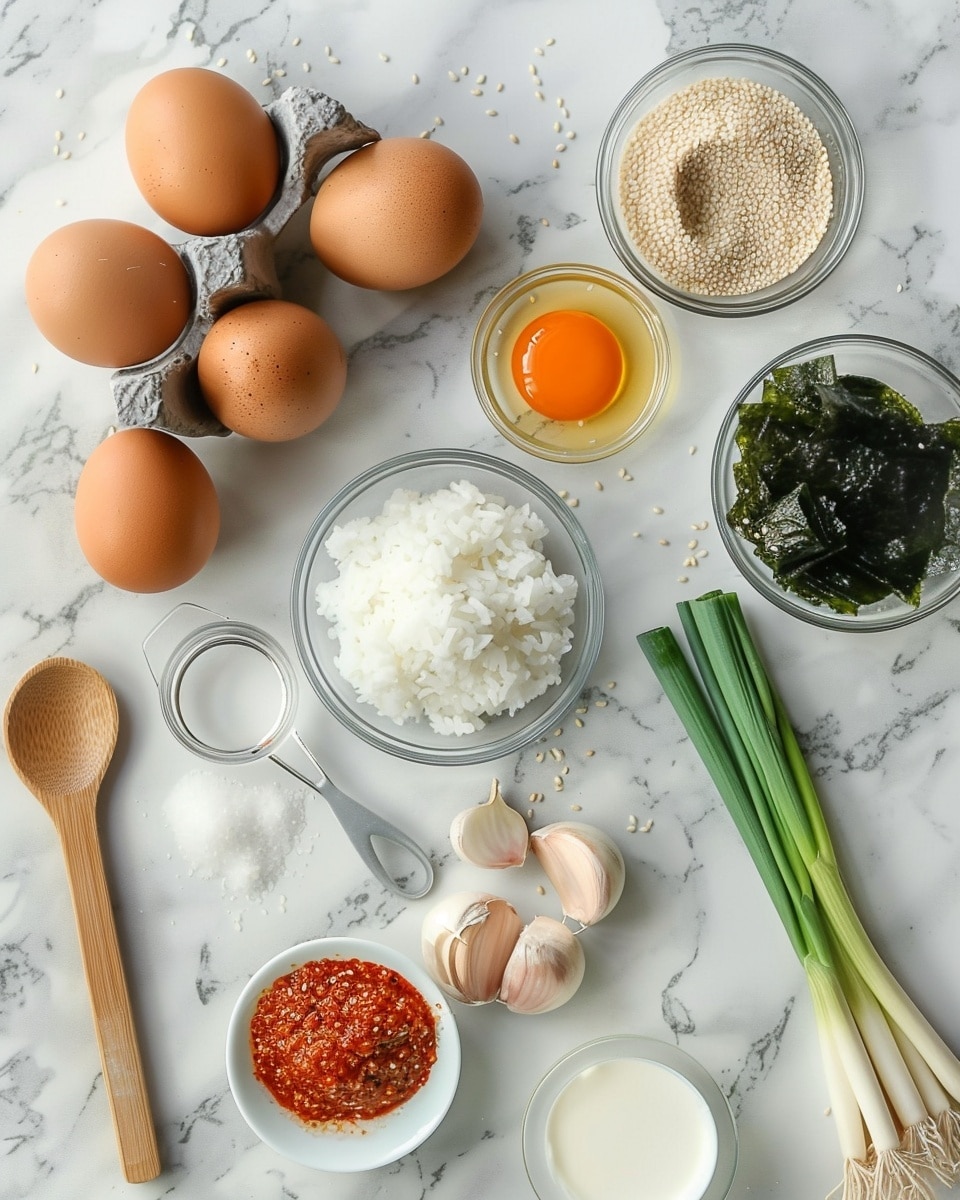
Picture this: the comforting aroma of nutty sesame oil mingling with the earthy warmth of perfectly cooked short-grain rice. As you lift your spoon, you see glossy, soft scrambled eggs nestled atop a bed of rice, elevated by a glossy drizzle of vibrant, spicy soy sauce and bright green slivers of fresh scallions. Your taste buds tingle with anticipation. This Korean Egg Rice: A Quick & Delicious Recipe is the kind of dish that feels like a warm hug on a busy day—simple, soul-satisfying, and wildly delicious.
Making this dish is not just a meal—it’s an experience that blends ease and flavor into something truly memorable. Whether you’re craving a quick lunch or a hassle-free dinner, this recipe shines with its vibrant layers and harmonious textures. Friendly for cooks of all levels, it’s a recipe I return to time and again and can’t wait for you to love just as much.
Why You’ll Love This Korean Egg Rice: A Quick & Delicious Recipe
- Quick and Easy: Ready in just 20 minutes, this dish is perfect when time is tight but you want something satisfying.
- Simple Ingredients: Uses common pantry staples and a handful of Korean essentials to create complex flavors effortlessly.
- Perfect for Weeknights: Whip it up after work for a wholesome, comforting meal without hours in the kitchen.
- Impressive Presentation: The vibrant colors—from the golden eggs to the red-spicy sauce and green garnishes—make it a feast for the eyes as well as the palate.
- Customizable: Adapt the spice level, add your favorite toppings, or transform it with different proteins or vegetables to suit your mood.
Why This Korean Egg Rice: A Quick & Delicious Recipe Works
This Korean Egg Rice: A Quick & Delicious Recipe works because it skillfully balances simple techniques with flavorful ingredients. Using day-old short-grain rice gives the dish fluffy yet slightly chewy texture that holds up under the sauce and eggs. The eggs, gently scrambled with milk, lead to a luscious softness that complements the rice perfectly. The layered sauce, bursting with sesame oil, soy, garlic, and a hint of chili, ties it all together with a savory, tangy kick. Each element enhances the other without overpowering, creating a harmonious, crave-worthy dish.
Ingredients You’ll Need
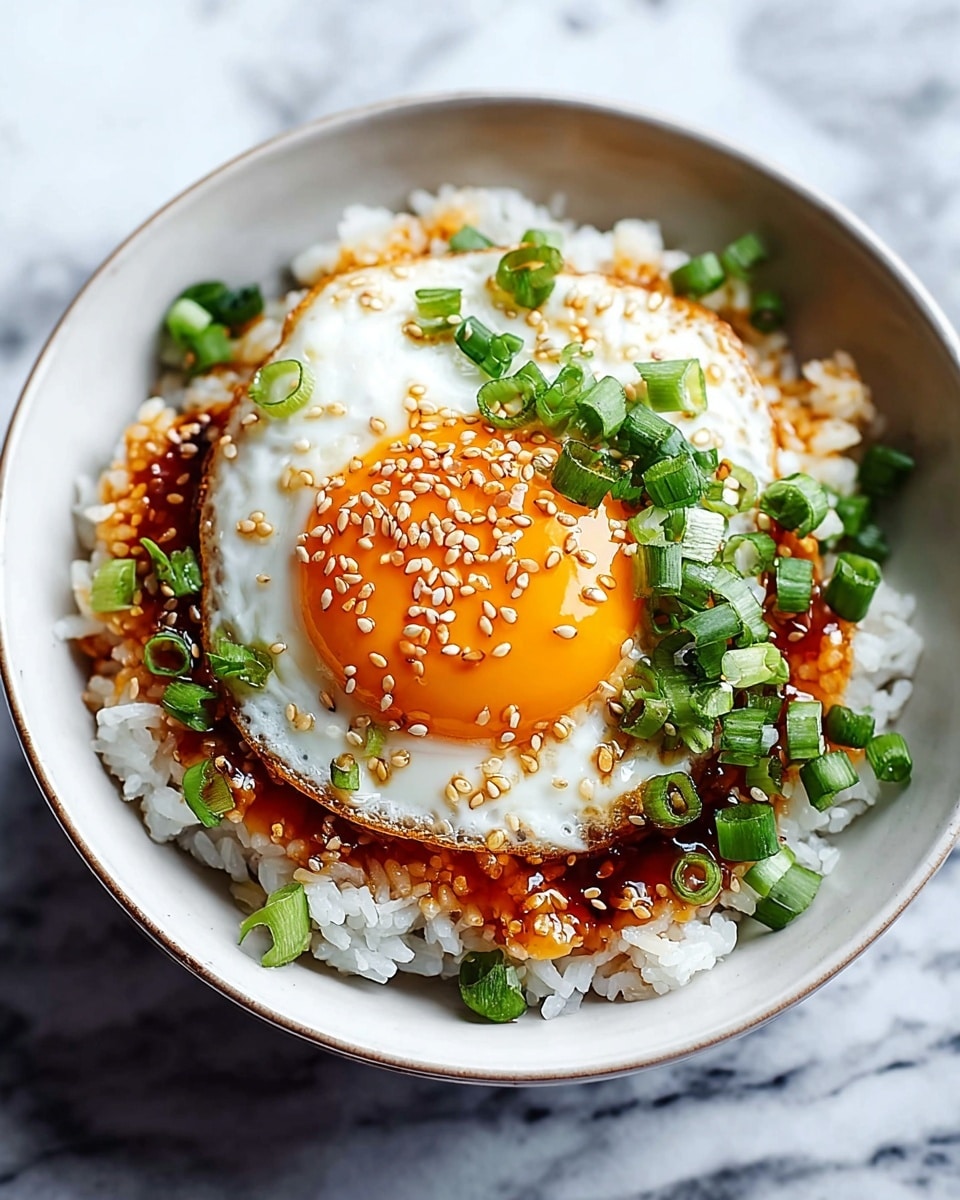
Gathering these ingredients is a breeze, and each one plays a vital role in building the layers of flavor and texture that make this recipe sing.
- Cooked short-grain rice: The fluffy, sticky foundation of the dish, ideally day-old for the best texture.
- Sesame oil: Provides a rich, nutty aroma and taste that is quintessentially Korean.
- Salt and ground white pepper: Simple seasonings that enhance the natural flavors without overpowering.
- Large eggs: Frothy, lightly scrambled for creamy, soft bites that meld beautifully with the rice.
- Milk or water: Added to eggs to keep them tender and silky.
- Vegetable oil: For cooking the eggs, neutral in flavor so that the sesame oil can shine afterward.
- Soy sauce: Brings a salty depth and umami richness to the sauce.
- Rice vinegar: Adds a bright, tangy contrast that keeps the dish lively.
- Sugar: Balances the acidity and saltiness with a subtle sweetness.
- Gochugaru (Korean chili flakes): Gives a warm, smoky heat that can be adjusted to your liking.
- Minced garlic: Lends a fresh pungency and spice to the sauce.
- Sesame seeds: For texture and a toasty finish.
- Kimchi, chopped: Adds crunch, spice, and fermented tang (optional but highly recommended).
- Roasted seaweed flakes (gim): Adds a subtle oceanic flavor and texture contrast.
- Green onions: Thinly sliced, they add brightness and crunch.
- Fried egg (additional): Optional extra richness for topping.
- Spicy mayonnaise (gochujang mayo): An optional creamy, spicy drizzle for an indulgent twist.
Ingredient Substitutions & Tips
- Short-grain rice: Can swap for medium-grain rice, but avoid long-grain varieties for best stickiness.
- Milk or water in eggs: Use cream or non-dairy milk like oat or almond milk for a richer or dairy-free option.
- Vegetable oil: Substitute with light olive oil or avocado oil for different flavor nuances.
- Gochugaru: If you can’t find it, use a mild red chili powder or paprika mixed with a pinch of cayenne.
👨🍳 Pro Tips for Perfect Results
- Use Day-Old Rice: It helps keep your rice grains separate and avoids mushiness.
- Cook Eggs Low and Slow: Stir gently on medium heat to achieve soft, creamy scrambled eggs.
- Balance Your Sauce: Taste and tweak soy sauce, vinegar, and sugar to suit your palate.
- Customize the Spice Level: Adjust gochugaru quantity to avoid overpowering heat.
- Warm Your Bowl: A warm serving bowl keeps your Korean Egg Rice cozy and delicious longer.
How to Make Korean Egg Rice: A Quick & Delicious Recipe
Step 1: Prepare the Rice
If using freshly cooked rice, fluff it gently with a fork to separate grains and prevent clumps. In a large bowl, combine the rice with 1 tablespoon of sesame oil, 1/2 teaspoon salt, and the optional 1/4 teaspoon ground white pepper. Mix thoroughly to ensure every grain gets coated with the fragrant oil and seasoning. Cover and keep warm so the rice is ready when the eggs and sauce are done.
💡 Pro Tip: Using day-old rice here makes all the difference in texture—you want that perfect balance between fluffiness and chew.
Step 2: Make the Egg Mixture
In a medium bowl, whisk together 4 large eggs, 1 tablespoon milk or water, 1/4 teaspoon salt, and 1/8 teaspoon black pepper until thoroughly combined and slightly frothy. This adds air which leads to fluffy, silky eggs.
💡 Pro Tip: Whisk with a fork or a small whisk vigorously to incorporate air without over-beating.
Step 3: Cook the Eggs
Heat 1 tablespoon vegetable oil in a non-stick skillet over medium heat. Pour the egg mixture in and let it set for a few moments without stirring. Using a spatula, gently push the cooked egg toward the center, allowing the uncooked egg to flow underneath. Repeat this motion to create delicate curds. Cook until eggs are mostly set but still moist and soft.
💡 Pro Tip: Remove the pan from heat just before eggs are fully cooked; residual heat will finish the job to keep them tender.
Step 4: Remove from Heat and Break Up Eggs
Take the skillet off the heat. Using a spatula, break the scrambled eggs into bite-sized pieces. Their plush texture is ready to mingle perfectly with the comforting rice and bold sauce.
💡 Pro Tip: Don’t overmix—small, soft chunks keep the dish luxurious.
Step 5: Prepare the Sauce
In a small bowl, whisk together 2 tablespoons soy sauce, 1 tablespoon sesame oil, 1 tablespoon rice vinegar, 1 teaspoon sugar, 1/2 teaspoon gochugaru, 1/2 teaspoon minced garlic, and 1/4 teaspoon sesame seeds. Taste and adjust for your ideal balance of salty, sweet, tangy, and spicy.
💡 Pro Tip: For a sweeter sauce, add a little more sugar or honey; for tanginess, a splash more vinegar.
Step 6: Assemble the Bowl
Divide the warm, seasoned rice between two bowls. Top each with the softly scrambled eggs. Drizzle the prepared sauce generously over the top. Scatter your chosen toppings like chopped kimchi, roasted seaweed flakes, thinly sliced green onions, and an extra sprinkle of sesame seeds.
💡 Pro Tip: Add a fried egg on top or a dollop of spicy mayonnaise for extra indulgence.
Step 7: Serve Immediately
This Korean Egg Rice: A Quick & Delicious Recipe is best enjoyed hot to capture all the textures and flavors at their peak. Scoop, savor, and fall in love with every bite.
💡 Pro Tip: Serve with a side of kimchi or pickled vegetables to contrast the rich eggs and rice perfectly.
Common Mistakes to Avoid
Learn from these common pitfalls:
- Overcooking the eggs: They can quickly turn rubbery and dry, losing that luscious softness.
- Using freshly cooked hot rice: It can create mushiness and clumps; day-old rice or properly cooled rice is essential.
- Skipping the seasoning in rice: Sesame oil and salt in the rice layer are vital for flavor depth.
- Not tasting the sauce: Without tasting and adjusting, the sauce can become too salty or bland.
- Ignoring texture contrasts: Leaving out chopped kimchi or garnishes misses out on a key flavor and texture balance.
- Using too much gochugaru: The chili flakes can overpower if not carefully measured.
Delicious Variations to Try
Once you’ve mastered the classic version, the possibilities to personalize your Korean Egg Rice: A Quick & Delicious Recipe broaden beautifully:
Veggie Boost
Add sautéed spinach, shredded carrots, or sliced bell peppers for a colorful, nutrient-packed upgrade. Keeps everything fresh and vibrant.
Tofu Twist
Stir in crispy pan-fried tofu cubes for extra protein and a delightfully chewy textural contrast, perfect for a vegetarian spin.
Seafood Delight
Gently fold in cooked shrimp or flaked cooked salmon, keeping the flavors balanced and rich—just make sure your additions are halal-certified.
Nutty Crunch
Top with toasted crushed peanuts or almonds for added crunch and a new layer of flavor that complements the sesame notes.
Herbal Fresh
Garnish with fresh cilantro or Thai basil to introduce bright, herbal freshness that cuts through the richness beautifully.
Spicy Mayo Drizzle
Mix gochujang with mayonnaise for a creamy, fiery drizzle that adds decadence and flair without overpowering the dish.
How to Serve Korean Egg Rice: A Quick & Delicious Recipe
Garnishes
Sprinkle with a handful of toasted sesame seeds, chopped scallions, and cracked black pepper. Add a few roasted seaweed flakes for that irresistible umami pop.
Side Dishes
Pair with cool cucumber kimchi, pickled radishes, or steamed greens for a refreshing counterpoint. A simple miso soup or mild seaweed soup complements the meal nicely.
Creative Ways to Present
Serve in pretty ceramic bowls with a side of chopsticks or a wooden spoon to enhance the inviting, cozy vibe. Layer in mason jars for a portable lunch option. Garnish with edible flowers or microgreens for a truly special touch.
Make Ahead and Storage
Storing Leftovers
Store leftover Korean egg rice components separately in airtight containers in the fridge for up to 2 days. This keeps the rice and eggs from becoming soggy.
Freezing
While rice can freeze well, scrambled eggs tend to lose texture. For best results, freeze only the seasoned rice in portions, defrost thoroughly before reheating and adding freshly cooked eggs and sauce.
Reheating
Reheat rice gently in a microwave or skillet, adding a splash of water to revive moisture. Reheat eggs carefully or cook fresh eggs for best texture. Add sauce and garnishes after reheating.
FAQs
Can I use brown rice instead of short-grain rice?
Brown rice works but changes the texture and cooking time. It’s heartier and less sticky, which affects the traditional mouthfeel of Korean Egg Rice.
Is this recipe gluten-free?
Not by default, since soy sauce often contains gluten. Use tamari or a certified gluten-free soy sauce to make it gluten-free.
Can I make this vegan?
Yes! Substitute eggs with scrambled tofu seasoned with turmeric and black salt for an eggy flavor. Check your other ingredients’ labels for vegan compliance.
How spicy is this dish?
The spice level depends on the amount of gochugaru you use. It’s mild by default and can be adjusted to your taste by adding more or less chili flakes.
What can I use if I don’t have gochugaru?
Ground paprika mixed with a pinch of cayenne pepper or chili powder can substitute, but the flavor won’t be quite the same—try to find authentic gochugaru for the best experience.
Can I prepare this dish in advance?
You can prep individual components ahead, but assemble just before serving to keep textures fresh and flavors vibrant.
Is it okay to omit kimchi?
Absolutely! Kimchi adds a lively tang and crunch but isn’t mandatory. You can substitute with pickled vegetables or simply omit.
What is the best type of pan for cooking the eggs?
A good non-stick skillet works best for gentle scrambling and easy cleanup. Avoid stainless steel pans to prevent sticking and breaking the delicate eggs.
Final Thoughts
This Korean Egg Rice: A Quick & Delicious Recipe is a celebration of simple ingredients turned into something truly spectacular. It’s quick enough for busy days yet comforting enough to feel like home. Every bite offers a cozy, flavorful journey that I know will become a staple in your kitchen just like it is in mine.
Have you tried this Korean Egg Rice: A Quick & Delicious Recipe? I’d love to hear how it turned out! Leave a comment below. If you loved this recipe, please share it with friends and family. Happy cooking! 🍚🥚🔥
PrintKorean Egg Rice: A Quick & Delicious Recipe
Korean Egg Rice is a quick and flavorful dish featuring fluffy short-grain rice topped with soft scrambled eggs and a spicy, savory sauce made from soy, sesame oil, and gochugaru. Garnished with kimchi, roasted seaweed flakes, green onions, and sesame seeds, this recipe delivers a comforting and satisfying meal perfect for breakfast, lunch, or dinner in just 20 minutes.
- Prep Time: 5 minutes
- Cook Time: 15 minutes
- Total Time: 20 minutes
- Yield: 2 servings 1x
- Category: Main Course
- Method: Stovetop
- Cuisine: Korean
Ingredients
Rice Mixture
- 2 cups cooked short-grain rice (preferably day-old)
- 1 tablespoon sesame oil
- 1/2 teaspoon salt
- 1/4 teaspoon ground white pepper (optional)
Egg Mixture
- 4 large eggs
- 1 tablespoon milk or water
- 1/4 teaspoon salt
- 1/8 teaspoon black pepper
- 1 tablespoon vegetable oil
Sauce
- 2 tablespoons soy sauce
- 1 tablespoon sesame oil
- 1 tablespoon rice vinegar
- 1 teaspoon sugar
- 1/2 teaspoon gochugaru (Korean chili flakes, adjust to taste)
- 1/2 teaspoon minced garlic
- 1/4 teaspoon sesame seeds
Toppings
- Kimchi, chopped
- Roasted seaweed flakes (gim)
- Green onions, thinly sliced
- Sesame seeds
- Fried egg (additional, optional)
- Spicy mayonnaise (gochujang mayo, optional)
Instructions
- Prepare the Rice: If using freshly cooked rice, fluff it with a fork to separate the grains. In a large bowl, combine the cooked rice with sesame oil, salt, and white pepper if using. Mix well and cover to keep warm while you prepare the eggs.
- Make the Egg Mixture: In a medium-sized bowl, whisk together the eggs, milk or water, salt, and black pepper until the mixture is frothy and well combined, ensuring a light texture when cooked.
- Cook the Eggs: Heat vegetable oil in a non-stick skillet over medium heat. Pour in the prepared egg mixture. Allow the eggs to set slightly on the bottom, then gently push the cooked portions towards the center with a spatula, letting the uncooked eggs flow underneath. Continue this motion until the eggs are mostly cooked but still moist and tender.
- Remove from Heat and Break Eggs: Take the skillet off the heat and break the soft scrambled eggs into bite-sized pieces using your spatula. This helps create a fluffy, textured egg topping for the rice.
- Prepare the Sauce: In a small bowl, whisk together the soy sauce, sesame oil, rice vinegar, sugar, gochugaru, minced garlic, and sesame seeds. Taste the sauce and adjust seasoning to your preference for spice and balance.
- Assemble the Dish: Divide the seasoned rice between bowls. Top each serving with the scrambled egg pieces. Drizzle generously with the prepared sauce and add your desired toppings such as chopped kimchi, roasted seaweed flakes, green onions, sesame seeds, and an optional fried egg or spicy mayonnaise.
- Serve: Serve immediately while warm for the best texture and flavor experience.
Notes
- Using day-old rice helps achieve a better texture by reducing moisture, preventing the dish from becoming mushy.
- Adjust the amount of gochugaru based on your preferred spice level.
- For added protein and flavor, garnish with a fried egg on top.
- Spicy mayonnaise made with gochujang adds a creamy and spicy kick if desired.
- This recipe is best enjoyed fresh; leftovers can be refrigerated and reheated, but eggs may become firmer.
Keywords: Korean egg rice, quick Korean recipe, scrambled eggs and rice, spicy Korean sauce, gochugaru recipe, kimchi rice bowl