Baked Dijon Salmon Recipe
Picture this: the warm, inviting aroma of tangy Dijon mustard intertwined with sweet honey and zesty lemon filling your kitchen, promising a delicious dinner ahead. As you slide the salmon out of the oven, its golden, slightly caramelized surface glistens, tender and flaky beneath your fork. This Baked Dijon Salmon Recipe is my go-to for an effortless yet impressive meal that dazzles the senses with every bite.
Whether you’re craving a wholesome dish that feels indulgent or need a quick recipe that doesn’t skimp on flavor, this salmon will become your new favorite. Ready in just 20 minutes, it’s perfect for busy weeknights or whenever you want to impress with minimal fuss. Let me share this lovely recipe that feels both cozy and elegant, a true crowd-pleaser.
Why You’ll Love This Baked Dijon Salmon Recipe
- Quick and Easy: Ready in just 20 minutes, it’s a fantastic choice for those evenings when you want something delicious without hours in the kitchen.
- Simple Ingredients: Uses pantry staples like Dijon mustard, honey, and garlic that you likely already have on hand.
- Perfect for Weeknights: Minimal prep and cleanup allow you to enjoy a wholesome meal without overwhelm.
- Impressive Presentation: The beautifully glazed fillets with optional fresh herbs look as good as they taste, perfect for guests or family dinners.
- Customizable: Easily tweak the glaze for a sweeter, tangier, or more garlicky flavor to suit your palate.
Why This Baked Dijon Salmon Recipe Works
This Baked Dijon Salmon Recipe shines because of its harmonious blend of flavors and simple technique. The Dijon mustard provides a sharp, tangy base that pairs wonderfully with the natural richness of the salmon. Honey adds a gentle sweetness that caramelizes beautifully as it bakes, creating a slightly crisp, flavorful crust. Baking the salmon at 400 degrees ensures quick cooking that keeps the fish moist and tender while developing a delicate glaze. The addition of fresh lemon juice and garlic brightens and deepens the overall taste, making every bite vibrant yet comforting.
Ingredients You’ll Need
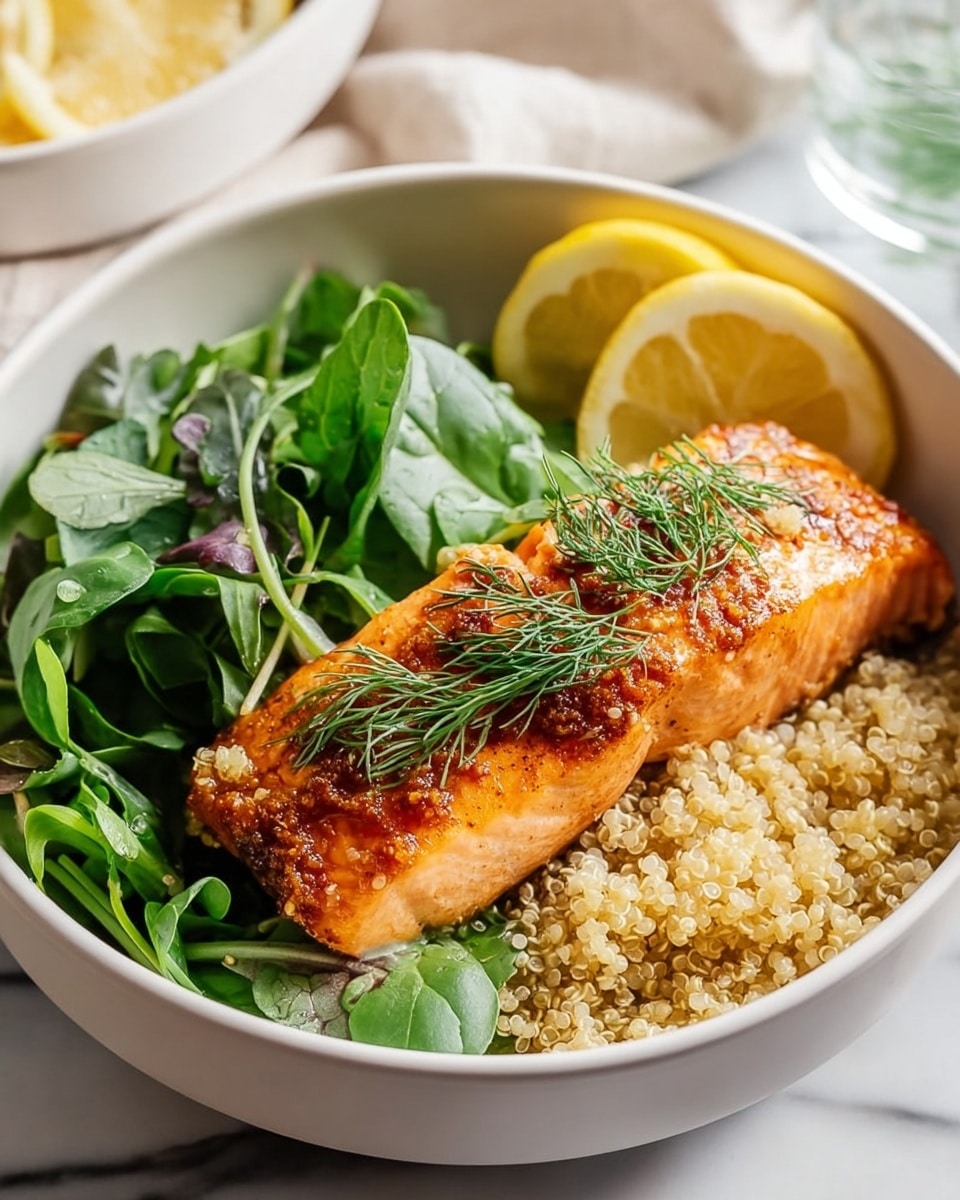
These straightforward ingredients come together effortlessly to create a salmon dish that bursts with flavor. Each component plays a role in enhancing the natural essence of the salmon.
- Dijon mustard: Provides a tangy, sharp foundation for the glaze that complements salmon beautifully.
- Honey: Adds a touch of natural sweetness that caramelizes during baking.
- Lemon juice: Brightens the flavors and adds a refreshing citrus note.
- Olive oil: Helps blend the glaze and keeps the salmon moist as it bakes.
- Garlic, minced: Infuses the dish with savory depth.
- Salt and pepper: Essential seasonings to bring out the best in the salmon.
- Salmon fillets (6-ounce each): The star ingredient, fresh or thawed, with skin on for extra flavor and moisture retention.
- Fresh parsley or dill (optional): Adds a lovely herbal brightness as a garnish.
Ingredient Substitutions & Tips
- Dijon mustard: You can swap with whole grain mustard for extra texture and a milder tang.
- Honey: Maple syrup or agave nectar work well for a similar sweet balance.
- Lemon juice: Lime juice offers a slightly different but equally bright citrus flavor.
- Olive oil: Avocado oil is a great substitute for a neutral, healthy fat.
- Fresh herbs: Try cilantro or chives if parsley or dill aren’t available to keep that fresh, herbal kick.
👨🍳 Pro Tips for Perfect Results
- Choose fresh salmon: Opt for wild-caught if possible, as it has better flavor and texture.
- Pat dry the fillets: Use paper towels to remove excess moisture before glazing to ensure caramelization.
- Use room temperature salmon: Let the fillets sit out for 15 minutes before baking for even cooking.
- Don’t overbake: Check at 12 minutes and remove as soon as it flakes easily with a fork to prevent dryness.
- Customize your glaze: Add a pinch of smoked paprika or a sprinkle of chili flakes for a little heat and complexity.
How to Make Baked Dijon Salmon Recipe
Step 1: Prepare Your Oven and Baking Sheet
Begin by preheating your oven to 400 degrees Fahrenheit. This temperature is perfect for quickly baking salmon while allowing the glaze to beautifully caramelize. Meanwhile, grease your baking sheet lightly or line it with parchment paper to prevent sticking and help with easy cleanup.
💡 Pro Tip: Lining with parchment paper makes transferring the delicate fillets easier after baking.
Step 2: Whisk Together the Glaze Ingredients
In a small bowl, whisk together 2 tablespoons of Dijon mustard, 1 tablespoon honey, 1 tablespoon lemon juice, 1 tablespoon olive oil, and 2 cloves of minced garlic. Add salt and pepper to taste. This simple blend creates a mouthwatering balance of sweet, tangy, and savory flavors that will coat the salmon wonderfully.
💡 Pro Tip: Taste your glaze before applying—is it perfectly balanced? Adjust the sweetness or acidity to your liking.
Step 3: Arrange and Glaze the Salmon
Place the four salmon fillets skin-side down on your prepared baking sheet. Spoon the glaze generously over each fillet, spreading it evenly to cover the surface. This step locks in moisture and infuses the fish with aromatic layers of flavor.
💡 Pro Tip: Don’t skimp on the garlic; it delivers a savory punch that complements the salmon perfectly.
Step 4: Bake to Perfection
Pop the baking sheet into the preheated oven and bake the salmon for 12 to 15 minutes. You’ll know it’s done when the salmon flakes easily with a fork but still feels tender and moist inside. The glaze should be slightly caramelized and glossy, making the dish as delightful to look at as it is to eat.
💡 Pro Tip: Keep an eye on the salmon past 12 minutes to avoid drying it out.
Step 5: Garnish and Serve
Once out of the oven, sprinkle fresh parsley or dill over the salmon for a burst of color and fresh herbal aroma. Serve immediately while the salmon is warm and inviting.
💡 Pro Tip: A squeeze of fresh lemon just before serving takes this dish from great to unforgettable.
Common Mistakes to Avoid
Learn from these common pitfalls:
- Overcooking: Salmon cooks quickly; going beyond 15 minutes can leave it dry and tough.
- Using too much glaze: Overloading the fillets can make the topping soggy instead of beautifully caramelized.
- Skipping seasoning: Salt and pepper are crucial to enhance flavors—don’t forget them!
- Not patting salmon dry: Excess moisture prevents that perfect glaze from forming a lovely crust.
- Using frozen salmon without thawing: It can release too much water, affecting texture and cooking time.
- Ignoring skin orientation: Always bake skin-side down to keep the fillet intact and flake easily.
Delicious Variations to Try
Once you’ve mastered the classic Baked Dijon Salmon Recipe, here are some exciting twists to keep things fresh and delicious:
Maple Dijon Salmon
Swap honey for maple syrup to introduce a warm, woodsy sweetness that pairs beautifully with mustard and garlic.
Herb-Crusted Dijon Salmon
Add finely chopped rosemary, thyme, and parsley to the glaze for an earthy, aromatic crust that elevates every bite.
Spicy Dijon Salmon
Stir in a pinch of cayenne pepper or chili flakes for a gentle heat that contrasts the sweet honey and sharp mustard.
Ginger Lemon Dijon Salmon
Add 1 teaspoon grated fresh ginger to the glaze and increase lemon juice for a zesty, Asian-inspired flavor profile.
Mustard and Yogurt Salmon
Replace olive oil with plain yogurt in the glaze for a creamy, tangy twist that keeps the salmon extra moist.
How to Serve Baked Dijon Salmon Recipe
Garnishes
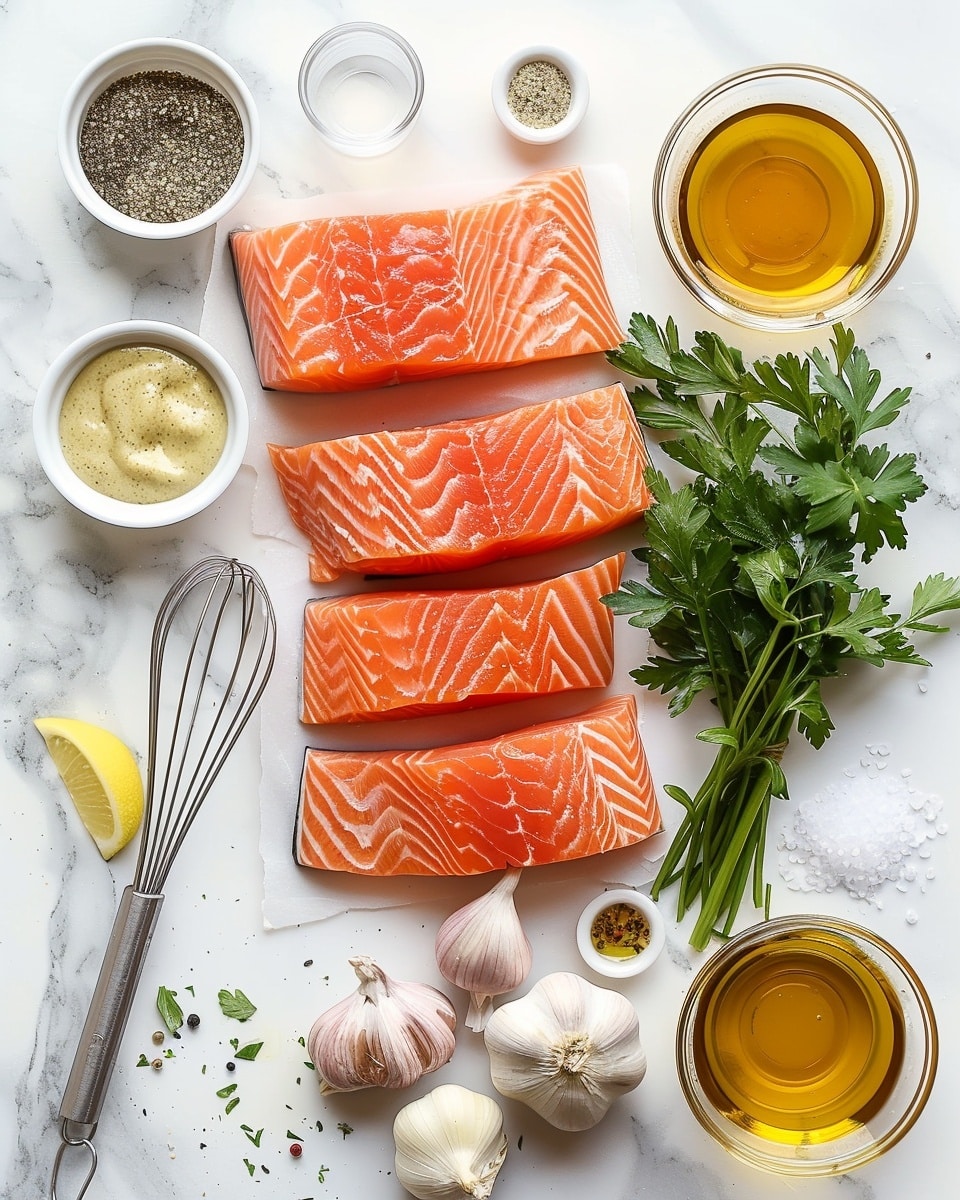
Fresh parsley or dill add a fragrant, colorful touch. A few lemon wedges on the side invite guests to add a bright citrus finish.
Side Dishes
This salmon pairs beautifully with fluffy jasmine rice, steamed asparagus, roasted baby potatoes, or a crisp green salad with a light vinaigrette.
Creative Ways to Present
Serve the salmon fillets on a bed of wilted spinach or alongside a vibrant quinoa salad for a stunning, nutritious plate. Drizzle some extra glaze artistically over the salmon for a restaurant-worthy look.
Make Ahead and Storage
Storing Leftovers
Keep any leftover salmon in an airtight container in the refrigerator for up to 2 days. It remains delicious when gently reheated or served cold atop salads.
Freezing
While best fresh, you can freeze cooked salmon wrapped tightly in foil and placed inside a freezer bag for up to 1 month. Thaw overnight in the fridge before reheating.
Reheating
To keep the salmon moist, reheat gently in a 275-degree Fahrenheit oven for about 10 minutes or until warmed through. Avoid microwaving to prevent dryness.
FAQs
Can I use frozen salmon for this Baked Dijon Salmon Recipe?
Yes, but make sure to fully thaw and pat the salmon dry before applying the glaze for best results.
Is the skin edible?
Absolutely! Baking skin-side down crisps it up deliciously, adding great texture if you enjoy it.
Can I double this recipe?
Definitely. Just spread the fillets out on two baking sheets to avoid overcrowding for even cooking.
What if I don’t have Dijon mustard?
Try substituting whole grain mustard or yellow mustard, though Dijon offers the best classic taste.
How do I know when the salmon is done?
It should flake easily with a fork but remain moist inside. Overcooking leads to dryness.
Can I make this recipe ahead of time?
You can prepare the glaze ahead and keep the salmon refrigerated; just assemble and bake when ready.
Is this recipe healthy?
Yes, salmon is rich in omega-3 fatty acids, and this recipe keeps it light without heavy sauces or frying.
Can I add vegetables to bake alongside the salmon?
Yes, thinly sliced veggies like zucchini or cherry tomatoes work well if spread evenly and roasted at the same temperature.
Final Thoughts
This Baked Dijon Salmon Recipe truly feels like a warm hug on a plate—simple, flavorful, and effortlessly elegant. It’s the kind of meal that makes weekday dinners feel special and invites you to enjoy the comforting magic of perfectly cooked salmon with a tangy, sweet glaze. I hope you find as much joy making it as I do sharing it with those I love.
Have you tried this Baked Dijon Salmon Recipe? I’d love to hear how it turned out! Leave a comment below. If you loved this recipe, please share it with friends and family. Happy cooking! 🐟✨
PrintBaked Dijon Salmon Recipe

A simple and flavorful Baked Dijon Salmon recipe featuring a tangy honey mustard glaze that enhances the natural richness of salmon. Ready in just 20 minutes, this healthy dish is perfect for a quick weeknight dinner and serves four people.
- Prep Time: 5 minutes
- Cook Time: 15 minutes
- Total Time: 20 minutes
- Yield: 4 servings 1x
- Category: Main Course
- Method: Baking
- Cuisine: American
- Diet: Low Fat
Ingredients
Glaze Ingredients
- 2 tablespoons Dijon mustard
- 1 tablespoon honey
- 1 tablespoon lemon juice
- 1 tablespoon olive oil
- 2 cloves garlic, minced
- Salt and pepper, to taste
Main Ingredients
- 4 (6-ounce) salmon fillets
- Fresh parsley or dill (optional, for garnish)
Instructions
- Preheat Oven: Preheat your oven to 400°F (200°C). Grease a baking sheet or line it with parchment paper to prevent the salmon from sticking and to make cleanup easier.
- Prepare Glaze: In a small bowl, whisk together Dijon mustard, honey, lemon juice, olive oil, minced garlic, salt, and pepper until fully combined and smooth.
- Arrange Salmon: Place the salmon fillets on the prepared baking sheet skin-side down, ensuring they are spaced evenly.
- Apply Glaze: Spoon the prepared honey mustard glaze evenly over the top of each salmon fillet, making sure they are well coated for maximum flavor.
- Bake Salmon: Bake in the preheated oven for 12-15 minutes or until the salmon is opaque and flakes easily with a fork, indicating it is fully cooked.
- Garnish and Serve: Remove from the oven and garnish with fresh parsley or dill if desired. Serve immediately and enjoy this delicious, healthy meal.
Notes
- You can substitute lemon juice with lime juice for a slightly different citrus flavor.
- Make sure not to overcook the salmon to keep it moist and tender.
- For an extra crunchy texture, broil the salmon for the last 1-2 minutes of cooking.
- Leftover salmon can be stored in an airtight container in the refrigerator for up to 2 days.
- This recipe pairs well with steamed vegetables, rice, or a fresh green salad.
Keywords: Baked Dijon Salmon, Honey Mustard Salmon, Healthy Salmon Recipe, Quick Salmon Dinner, Oven Baked Salmon