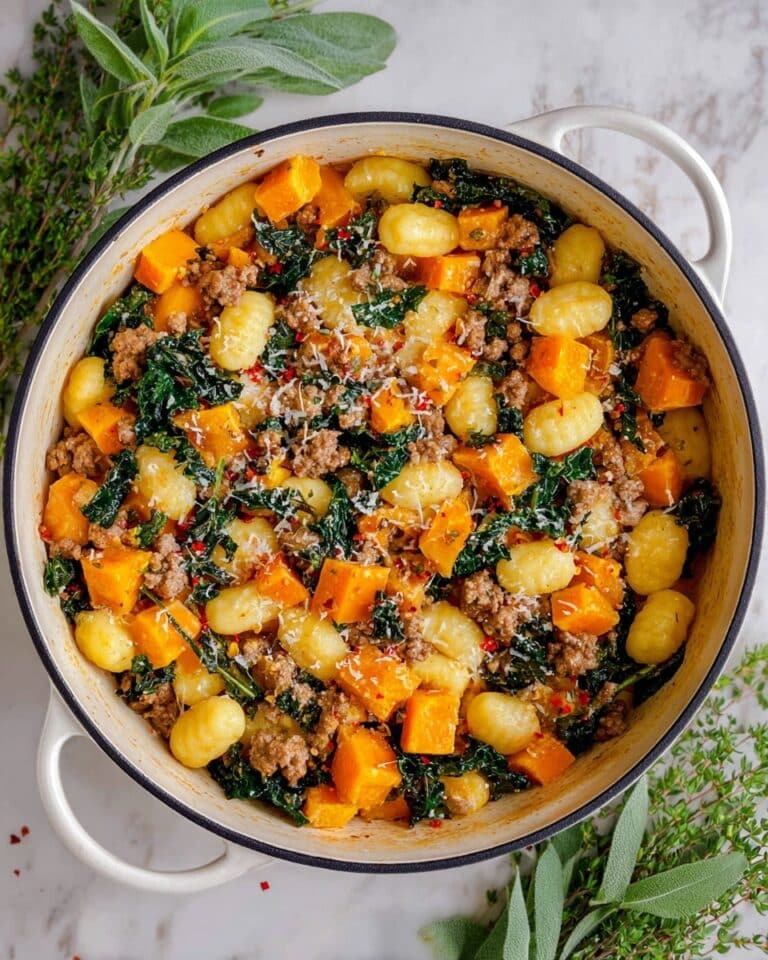
Korean Beef Bibimbap Bowl Recipe
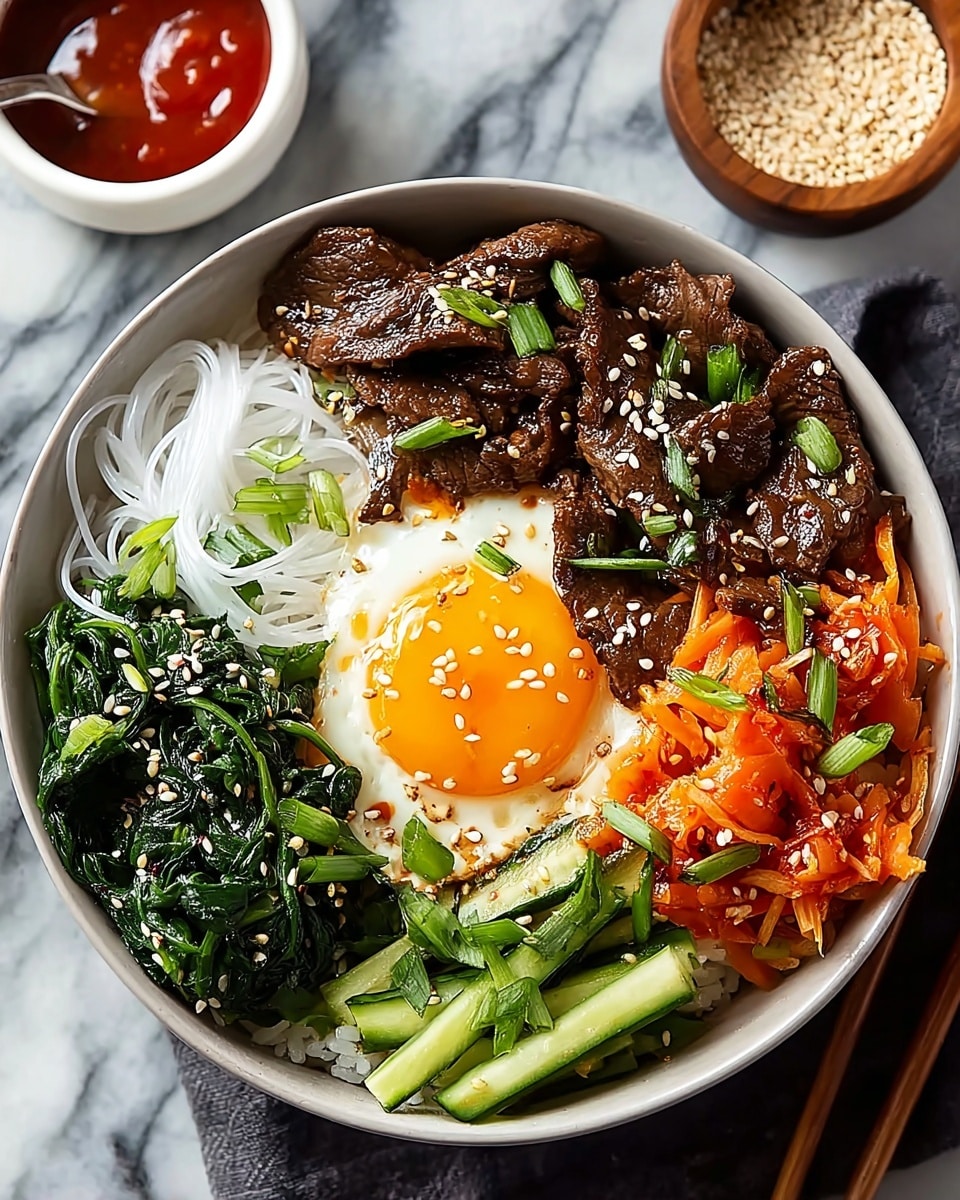
If you have ever craved a meal that bursts with vibrant flavors, textures, and colors all in one bowl, this Korean Beef Bibimbap Bowl Recipe will quickly become your go-to comfort food. It combines tender, savory ground beef marinated in a spicy-sweet gochujang sauce with an array of fresh sautéed vegetables, all resting atop fluffy white rice and crowned with a perfectly fried egg. Every mouthful offers a delightful harmony of savory richness, slight heat, and a touch of nuttiness thanks to sesame oil. Whether you’re looking to impress at a family dinner or simply crave a nourishing, satisfying meal, this recipe has everything you need to recreate an authentic Korean classic right at home.
Ingredients You’ll Need
Getting the ingredients together for this dish is refreshingly straightforward, yet each plays a crucial role in building those layers of classic bibimbap flavor and texture. From fresh veggies to well-balanced seasoning, it’s all about simple elements coming together beautifully.
- Lean ground beef (1 lb): Provides the hearty protein base with a clean taste that lets the seasoning shine.
- Short-grain white rice (2 cups, cooked): The perfect sticky rice texture to soak up all the delicious sauces.
- Carrots (1 cup, julienned): Adds natural sweetness and a satisfying crunch to the bowl.
- Fresh spinach (1 cup): Offers vibrant green color and subtle earthiness to balance the dish.
- Zucchini (1 cup, sliced): Mild and tender, it cooks quickly and adds another fresh layer.
- Bean sprouts (1 cup): For a crisp texture and nutty undertones typical of bibimbap.
- Gochujang sauce (3 tbsp): This spicy Korean chili paste delivers signature heat and depth—adjust to your spice preference.
- Sesame oil (1 tbsp): Imparts a fragrant nuttiness that elevates both the beef and veggies.
- Low-sodium soy sauce (2 tbsp): Enhances umami without overpowering the flavors.
- Eggs (4): Fried sunny-side up to add richness and that creamy yolk finish.
How to Make Korean Beef Bibimbap Bowl Recipe
Step 1: Cook the Rice
Start by cooking your short-grain white rice precisely according to the package directions. The sticky texture of the rice is crucial as it acts as the base that holds all the ingredients together. Set it aside once done so it’s warm and ready for assembling your bowl.
Step 2: Brown the Ground Beef
Heat a skillet over medium-high heat and cook the lean ground beef until it is no longer pink, about 5 to 7 minutes. Make sure to break it apart as it cooks for even browning. Drain any excess fat to keep the flavors bright and clean, setting the stage for the sauce.
Step 3: Add the Gochujang Mixture
Lower the heat and stir in the gochujang sauce, soy sauce, and sesame oil directly into the beef. Allow it to simmer gently for about 5 minutes so the beef absorbs all that wonderful spicy, salty, and nutty flavor. This step really infuses the meat with authentic Korean taste.
Step 4: Sauté the Vegetables
In a separate pan, heat a little more sesame oil and sauté the julienned carrots, fresh spinach, sliced zucchini, and bean sprouts over medium heat. Cook just until tender-crisp—about 7 minutes—to preserve vibrant colors and a wonderful variety of textures in each bite.
Step 5: Fry the Eggs
The crowning glory of the Korean Beef Bibimbap Bowl Recipe is a beautifully fried sunny-side-up egg. Use a nonstick pan and cook until the whites are set but the yolk is still delightfully runny, which will mingle with all the other ingredients when broken open on top.
Step 6: Assemble Your Bibimbap Bowl
Start with a generous scoop of warm rice at the bottom of each bowl. Layer the spiced beef mixture on one side, then arrange the sautéed vegetables in separate small piles around the beef for visual appeal and so you can mix flavors bite by bite. Finally, crown it all with the fried egg, and drizzle a little additional gochujang on top if you like it extra spicy!
How to Serve Korean Beef Bibimbap Bowl Recipe
Garnishes
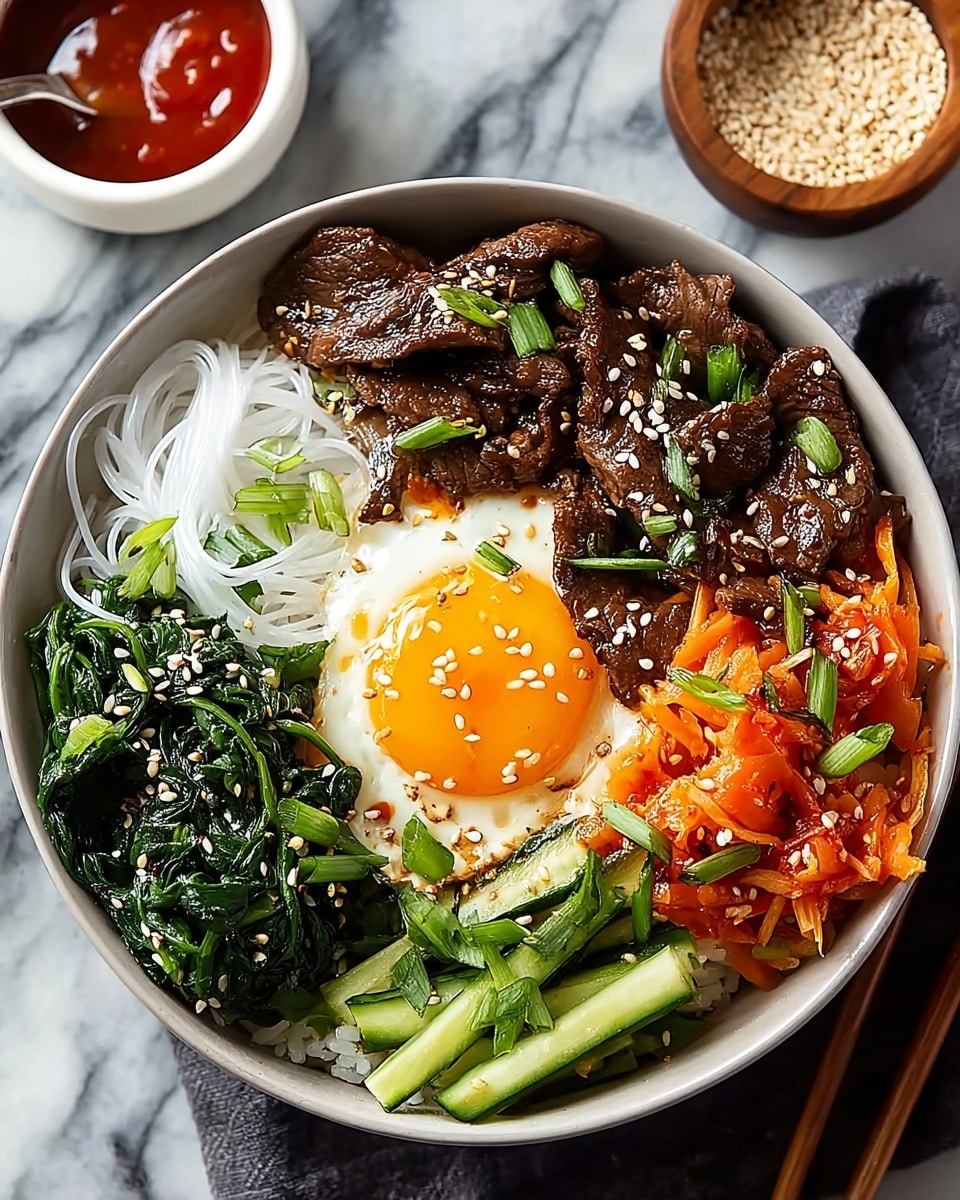
To make your Korean Beef Bibimbap Bowl Recipe truly shine, sprinkle some toasted sesame seeds or chopped green onions on top. These simple touches add great texture, aroma, and a pop of fresh green that make each bowl feel restaurant-worthy.
Side Dishes
This dish pairs beautifully with classic Korean side dishes like kimchi for a spicy-sour tang and pickled radishes for crunch. A light cucumber salad with a sesame dressing also complements the richness, balancing the meal with freshness.
Creative Ways to Present
Feeling festive? Serve your bibimbap in individual stone bowls (dolsot) if you have them—the sizzling hot bowls create a crispy rice crust beneath, adding an exciting new texture. Alternatively, create personal bibimbap jars layered in glass containers for a fun picnic or lunch option.
Make Ahead and Storage
Storing Leftovers
Package your bibimbap components separately in airtight containers and refrigerate. The beef and vegetables keep well for up to 3 days, making for an easy, flavorful meal later in the week.
Freezing
While freezing cooked rice and beef mixture is possible, the texture of the sautéed vegetables may suffer, turning soggy upon thawing. If you choose to freeze, store beef and rice together in a freezer-safe container and consume within 1 month for best taste.
Reheating
Reheat your stored bibimbap gently in a skillet over medium heat or microwave in short intervals, stirring occasionally to warm evenly. Add a fresh fried egg on top after reheating to restore that restaurant-fresh experience.
FAQs
Can I use other types of meat for this recipe?
Absolutely! While ground beef is traditional and flavorful, ground turkey, chicken, or even sliced beef can be delicious alternatives depending on your preference.
What if I don’t have gochujang sauce?
You can substitute gochujang with a mixture of chili paste, a bit of miso, and a sweetener like honey or brown sugar. It won’t be exactly the same but will maintain a similar balance of spicy, sweet, and savory.
Is this recipe spicy?
The heat level is adjustable. The gochujang sauce provides the main spice, so feel free to add less if you prefer mild flavors or more if you enjoy a kick.
Can I make this dish vegetarian?
Definitely! Swap the ground beef for a plant-based protein like tofu or mushrooms and keep the rest of the ingredients the same for a vegetarian-friendly bibimbap bowl.
What rice is best for bibimbap?
Short-grain white rice is preferred because it’s sticky and clumps together nicely, making it easier to mix with the other ingredients, but you can experiment with sushi rice or even brown rice for a healthier twist.
Final Thoughts
This Korean Beef Bibimbap Bowl Recipe is a fantastic blend of tastes and textures that feels both comforting and exciting with every bite. It’s approachable enough for weeknight dinners yet impressive for guests, bringing a touch of Korean culinary magic right to your table. I can’t wait for you to make it and discover just how delicious and satisfying bibimbap can be!
PrintKorean Beef Bibimbap Bowl Recipe
This Korean Beef Bibimbap Bowl is a flavorful and colorful dish featuring seasoned ground beef, sautéed vegetables, and a perfectly fried egg served over warm rice. Enhanced with spicy gochujang sauce and nutty sesame oil, it’s a delightful and balanced meal packed with protein, veggies, and traditional Korean flavors.
- Prep Time: 15 minutes
- Cook Time: 35 minutes
- Total Time: 50 minutes
- Yield: 4 servings 1x
- Category: Main Course
- Method: Stovetop
- Cuisine: Korean
Ingredients
Meat and Protein
- 1 lb lean ground beef
- 4 eggs
Vegetables
- 1 cup carrots, julienned
- 1 cup fresh spinach
- 1 cup zucchini, sliced
- 1 cup bean sprouts
Grains
- 2 cups short-grain white rice, cooked
Sauces and Oils
- 3 tbsp gochujang sauce (adjust for spice level)
- 1 tbsp sesame oil
- 2 tbsp low-sodium soy sauce
Instructions
- Cook the rice: Prepare the short-grain white rice according to package instructions and set it aside to keep warm.
- Brown the beef: In a skillet over medium-high heat, cook the lean ground beef until browned, about 5-7 minutes. Drain any excess fat from the skillet.
- Season the beef: Stir in the gochujang sauce, low-sodium soy sauce, and sesame oil into the browned beef. Reduce heat to low and simmer for 5 minutes to meld the flavors.
- Sauté the vegetables: In a separate pan, heat some sesame oil over medium heat. Sauté the carrots, spinach, zucchini, and bean sprouts until they are tender-crisp, about 7 minutes.
- Fry the eggs: In a nonstick skillet, fry the eggs sunny-side up until the whites are fully set but the yolks remain runny, approximately 3 minutes.
- Assemble the bibimbap bowls: Divide the cooked rice among four bowls. Top each with the seasoned beef mixture, sautéed vegetables, and finish with a fried egg on top. Optionally, drizzle additional gochujang sauce over the bowl for extra spice.
Notes
- You can adjust the amount of gochujang sauce to make the dish more or less spicy according to preference.
- Use low-sodium soy sauce to reduce salt content without sacrificing flavor.
- Feel free to swap vegetables based on seasonal availability or personal preference.
- For a vegetarian version, substitute the ground beef with marinated tofu or mushrooms and omit the eggs.
- Cook rice ahead of time or use a rice cooker to streamline preparation.
Keywords: Korean bibimbap, beef bibimbap, Korean rice bowl, gochujang recipe, Korean dinner, ground beef Korean, easy bibimbap, homemade bibimbap