Thai Peanut Sweet Potato Buddha Bowl Recipe
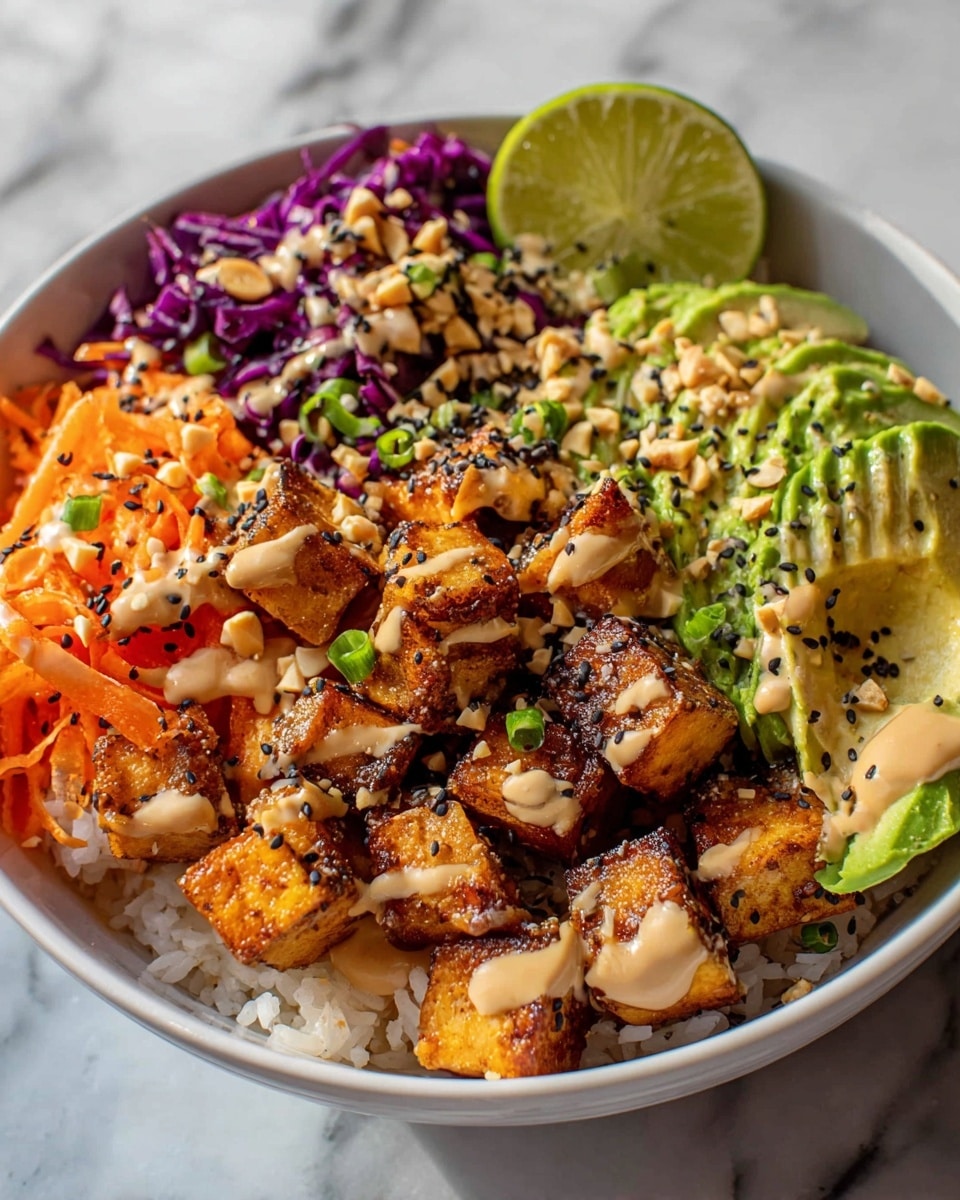
Picture this: golden cubes of roasted sweet potato, their edges caramelized to perfection, mingling with vibrant green broccoli and crunchy cabbage beneath a luscious drizzle of creamy Thai peanut sauce. The aroma is intoxicating—a teasing blend of nutty richness and zesty lime that fills your kitchen and awakens your appetite. This Thai Peanut Sweet Potato Buddha Bowl Recipe feels like a warm embrace on your plate, a fulfilling way to nourish your body and soul with simple, wholesome ingredients.
Whether you’re new to plant-based meals or a seasoned veggie lover, this recipe is your new go-to for vibrant flavors and effortless satisfaction. It’s not only a feast for your taste buds but a work of art that’s easy enough to whip up any day of the week.
Why You’ll Love This Thai Peanut Sweet Potato Buddha Bowl Recipe
- Quick and Easy: Ready in just 45 minutes, it fits perfectly into a busy schedule without sacrificing flavor.
- Simple Ingredients: Uses everyday pantry staples and fresh produce, making it accessible and stress-free.
- Perfect for Weeknights: Balanced and nourishing, it’s a wholesome meal that satisfies after a long day.
- Impressive Presentation: Colorful and texturally diverse, this bowl looks as good as it tastes—perfect for sharing.
- Customizable: Easy to tweak with your favorite veggies, nuts, or grains to suit your mood and pantry.
Why This Thai Peanut Sweet Potato Buddha Bowl Recipe Works
This recipe nails it because of the perfect harmony between roasting and freshness. Roasting the sweet potatoes at 400°F transforms them into tender, caramelized bites bursting with natural sweetness. Meanwhile, the raw broccoli, cabbage, and carrots add a crisp, lively contrast that keeps each mouthful exciting. And the peanut sauce? A creamy mix of natural peanut butter, soy, lime, and a touch of maple syrup that ties every element together with a tangy, rich finish. The layering of textures and flavors is what makes this bowl so utterly addictive.
Ingredients You’ll Need
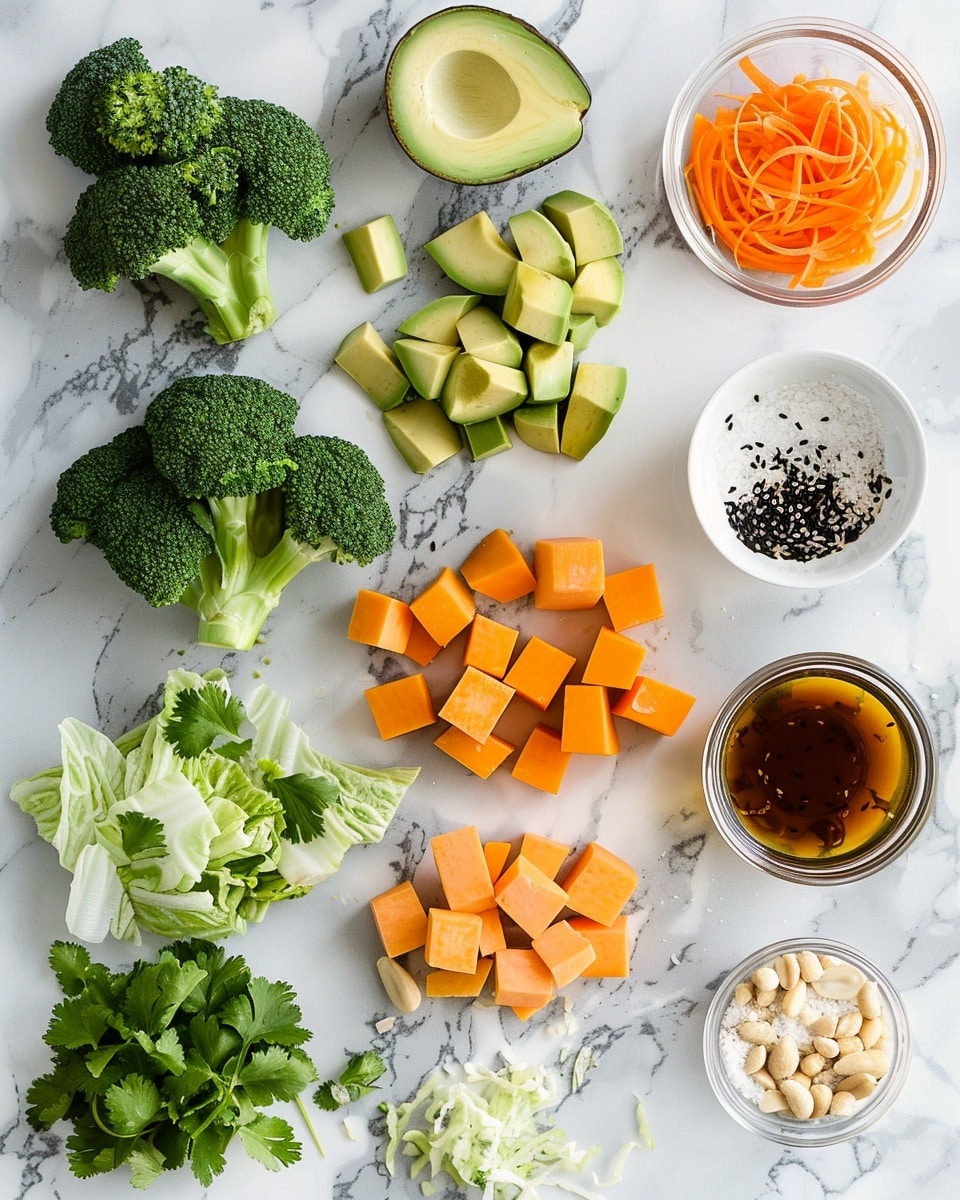
These straightforward ingredients combine to create a bowl that is both satisfying and bursting with vibrant flavors. Let’s break them down:
- Sweet Potatoes: The star of the show, roasted for a sweet, tender base.
- Broccoli Florets: Adds fresh green crunch and nutrition.
- Shredded Green Cabbage: Brings subtle sweetness and crisp texture.
- Carrots: Grated or julienned for bright color and a hint of earthiness.
- Avocado: Creamy slices to balance the zest of the sauce.
- Fresh Cilantro: Provides a fresh herbal brightness as garnish.
- Chopped Peanuts: Adds crunch and authentic peanut flavor.
- Olive Oil: For roasting and flavor enhancement.
- Peanut Butter (creamy, natural): The heart of the sauce, rich and nutty.
- Soy Sauce: For salty depth and umami.
- Maple Syrup: A touch of natural sweetness to balance the tang.
- Lime Juice: Freshly squeezed for vibrant acidity.
- Sesame Oil: Gives a fragrant, toasty note to the sauce.
- Salt and Pepper: To season just right.
Ingredient Substitutions & Tips
- Sweet Potatoes: Butternut squash or pumpkin cubes make a lovely alternative.
- Peanut Butter: Feel free to swap for almond or cashew butter if you prefer a different nutty flavor or have allergies.
- Soy Sauce: Use tamari or coconut aminos for a gluten-free or soy-free option.
- Fresh Cilantro: Parsley or basil work well if cilantro is not to your taste.
👨🍳 Pro Tips for Perfect Results
- Use room-temperature peanut butter: It makes mixing the sauce silky smooth and easier to thin out.
- Cut sweet potatoes evenly: Uniform cubes ensure even roasting and caramelization.
- Roast at a high temperature: 400°F helps the sweet potatoes crisp on the outside while staying tender inside.
- Add water gradually to the sauce: This prevents it from becoming too runny or thick; adjust texture to your liking.
- Slice avocado last: To keep it fresh and prevent browning before serving.
How to Make Thai Peanut Sweet Potato Buddha Bowl Recipe
Step 1: Prepare and Roast Sweet Potatoes
Preheat your oven to 400°F (200°C). Peel and carefully dice two medium sweet potatoes into 1-inch cubes, aiming for uniformity so they roast evenly. Spread the cubes in a single layer on a baking sheet, drizzle with 1-2 tablespoons of olive oil, and season with salt and pepper. Toss gently to coat the potatoes evenly. Slide the tray into the oven and roast for 25 to 30 minutes, flipping halfway through to ensure a beautiful golden-brown crisp on every side.
💡 Pro Tip: Don’t overcrowd the pan—give each cube room to roast properly rather than steam.
Step 2: Prep Fresh Veggies
While the sweet potatoes roast, chop one cup of broccoli into bite-sized florets, shred one cup of green cabbage finely, and grate or julienne half a cup of carrots. Combine these fresh ingredients in a large mixing bowl and set aside, ready to receive the roasted sweetness.
💡 Pro Tip: Dry your vegetables well after washing to keep the bowl crisp instead of soggy.
Step 3: Whisk up the Thai Peanut Sauce
In a small bowl, whisk together half a cup of creamy natural peanut butter, two tablespoons of soy sauce, one tablespoon each of maple syrup and freshly squeezed lime juice, plus a teaspoon of fragrant sesame oil. Add two to three tablespoons of water a bit at a time until the sauce reaches a luxuriously creamy but pourable consistency. Stir until smooth and luscious, ready to coat everything in nutty goodness.
💡 Pro Tip: Adjust the sweetness or acidity here to perfectly fit your taste buds.
Step 4: Assemble the Bowl
Divide the fresh vegetable mix equally between two bowls. Nestle the warm, roasted sweet potatoes on top. Slice one ripe avocado just before serving and arrange the silky slices elegantly in the bowls. Generously drizzle the tangy peanut sauce over everything.
💡 Pro Tip: For a restaurant-style touch, drizzle the sauce in thin streams to create a beautiful pattern.
Step 5: Garnish and Serve
Finish with a sprinkling of chopped fresh cilantro and crunchy chopped peanuts. Serve immediately for the best textural experience or prepare components separately to enjoy later as a meal prep option.
💡 Pro Tip: Toast your peanuts lightly in a dry skillet for an extra layer of flavor before chopping.
Common Mistakes to Avoid
Learn from these common pitfalls:
- Overcrowding the roasting pan: Leads to steaming rather than roasting, preventing that sought-after crispness.
- Using cold peanut butter: Makes it harder to blend the sauce and causes lumps.
- Pre-slicing avocado too early: Causes browning and reduces the fresh flavor.
- Over-salting the peanut sauce: Soy sauce adds saltiness, so taste before adding more.
- Adding too much water at once to the sauce: Can result in a sauce that’s too thin to coat ingredients properly.
- Skipping the sauce: Without the Thai peanut sauce, the bowl loses its signature rich, tangy flair.
Delicious Variations to Try
Once you’ve mastered the classic version, here are some tasty twists to explore:
Quinoa Boost
Add cooked quinoa or brown rice to the bowl to turn it into a more substantial meal with extra protein and fiber.
Spicy Peanut Kick
Mix a teaspoon of chili garlic sauce or sriracha into the peanut sauce for a fiery, flavorful edge.
Tofu Temptation
Incorporate crispy baked or pan-fried tofu cubes marinated in soy sauce and garlic for a protein-packed bowl.
Mango Freshness
Add juicy mango chunks to the bowl for a touch of tropical sweetness that complements the tangy peanut sauce.
Crunchy Radish
Thinly sliced radishes introduce a peppery crunch and a burst of color.
Sesame Seeds Garnish
Sprinkle toasted sesame seeds on top for extra texture and nuttiness.
How to Serve Thai Peanut Sweet Potato Buddha Bowl Recipe
Garnishes
Brighten the bowl with chopped fresh cilantro, a sprinkle of chopped peanuts, and a wedge of lime for an optional squeeze of extra zing.
Side Dishes
Serve alongside crisp cucumber salad, steamed jasmine rice, or light spring rolls for an Asian-inspired meal experience.
Creative Ways to Present
Arrange the bowl components in neat sections for a beautiful Buddha bowl style or toss everything gently for a colorful medley. Use a shallow wide bowl to showcase the vibrant layers fully.
Make Ahead and Storage
Storing Leftovers
Store the roasted sweet potatoes, fresh veggies, and peanut sauce separately in airtight containers in the refrigerator. This keeps textures fresh and flavors intact for up to 3 days.
Freezing
The roasted sweet potatoes freeze well—spread them on a baking sheet to flash freeze, then transfer to a freezer bag for up to 2 months. Avoid freezing the fresh vegetables or peanut sauce for best quality.
Reheating
Reheat sweet potatoes gently in the oven or microwave until warm. Add fresh veggies and avocado slices just before serving, then drizzle with the peanut sauce to maintain freshness and texture.
FAQs
Can I make this recipe nut-free?
Yes! Substitute peanut butter with sunflower seed butter or tahini for a delicious nut-free peanut sauce alternative.
Is this recipe gluten-free?
It can be! Use tamari or a gluten-free soy sauce alternative to keep it gluten-free.
Can I add protein to this bowl?
Definitely! Tofu, tempeh, or cooked chickpeas are great plant-based protein boosts for this Buddha bowl.
How do I make the peanut sauce thinner?
Add water one tablespoon at a time and whisk until you reach your desired creamy but pourable consistency.
Can I prepare this bowl in advance?
You can prep ingredients in advance and store separately, but add avocado and sauce just before serving for best taste and texture.
What other vegetables work well in this bowl?
Bell peppers, snap peas, cucumbers, or shredded purple cabbage are excellent additions or swaps.
Is this recipe suitable for meal prep?
Absolutely! Just keep components separate to maintain freshness, and assemble when ready to eat.
How spicy is this dish?
The classic recipe is mild but full of flavor. Add chili sauce if you like some heat!
Final Thoughts
This Thai Peanut Sweet Potato Buddha Bowl Recipe is a beautiful celebration of flavors and textures that feels both indulgent and nourishing. It’s the kind of meal that comforts while energizing you, perfect for cozy nights in or impressing friends with your vibrant cooking skills. I hope it becomes as much of a favorite in your kitchen as it is in mine.
Have you tried this Thai Peanut Sweet Potato Buddha Bowl Recipe? I’d love to hear how it turned out! Leave a comment below. If you loved this recipe, please share it with friends and family. Happy cooking! 🌿
PrintThai Peanut Sweet Potato Buddha Bowl Recipe

A vibrant and wholesome Thai Peanut Sweet Potato Buddha Bowl featuring roasted sweet potatoes, fresh vegetables, and a creamy, tangy peanut sauce. This vegan dish is perfect for quick weeknight dinners or meal prep, combining natural flavors and hearty nutrients in every bite.
- Prep Time: 15 minutes
- Cook Time: 30 minutes
- Total Time: 45 minutes
- Yield: 2 servings 1x
- Category: Healthy Dinner
- Method: Roasting
- Cuisine: Thai-Inspired
- Diet: Vegan
Ingredients
Roasted Vegetables
- 2 medium sweet potatoes (peeled and diced into 1-inch cubes)
- 1 cup broccoli florets (cut into bite-sized pieces)
- 1 cup shredded green cabbage
- 1/2 cup carrots (grated or julienned)
- Olive oil for roasting
- Salt and pepper to taste
Fresh Toppings
- 1 avocado (sliced just before serving)
- 1/4 cup fresh cilantro (chopped)
- 1/4 cup peanuts (chopped for garnish)
Peanut Sauce
- 1/2 cup peanut butter (creamy, natural style)
- 2 tablespoons soy sauce
- 1 tablespoon maple syrup
- 1 tablespoon lime juice (fresh squeezed)
- 1 teaspoon sesame oil
- 2–3 tablespoons water (to thin sauce)
Instructions
- Prepare Sweet Potatoes: Preheat the oven to 400°F (200°C). Peel and dice the sweet potatoes into uniform 1-inch cubes for even roasting.
- Roast Sweet Potatoes: Arrange the diced sweet potatoes on a baking sheet in a single layer. Drizzle with 1-2 tablespoons of olive oil, season with salt and pepper, and toss to coat evenly. Roast in the oven for 25-30 minutes, flipping halfway through, until they become golden-brown and fork-tender.
- Prep Vegetables: While the sweet potatoes roast, chop the broccoli into bite-sized florets, shred the green cabbage, and grate or julienne the carrots. Set all prepared vegetables aside.
- Make Peanut Sauce: In a small bowl, whisk together peanut butter, soy sauce, maple syrup, lime juice, and sesame oil. Add water tablespoon by tablespoon until the sauce reaches a smooth, pourable consistency that remains creamy.
- Assemble Vegetable Mix: In a large bowl, combine the broccoli florets, shredded cabbage, and grated carrots, tossing gently to mix all ingredients evenly.
- Build the Bowls: Divide the mixed vegetables between two serving bowls. Top each with the roasted sweet potatoes. Slice the avocado just before serving and add to the bowls. Drizzle the peanut sauce generously over each bowl.
- Garnish and Serve: Sprinkle chopped fresh cilantro and chopped peanuts on top as garnish. Serve immediately, or store the components separately if preparing for later meal prep.
Notes
- Use room temperature peanut butter for the smoothest sauce consistency; natural creamy peanut butter works best.
- Store peanut sauce separately from vegetables if preparing meal prep bowls to keep textures fresh and crisp.
- For variation, substitute almond or cashew butter for peanut butter, adjusting water to achieve desired sauce consistency.
- Add cooked quinoa, brown rice, or tofu to increase protein content and make the bowl more filling.
Keywords: Thai peanut sauce, sweet potato bowl, vegan buddha bowl, healthy dinner, roasted vegetables, vegan meal prep, plant-based, gluten-free option