Traditional Italian Easter Bread Recipe
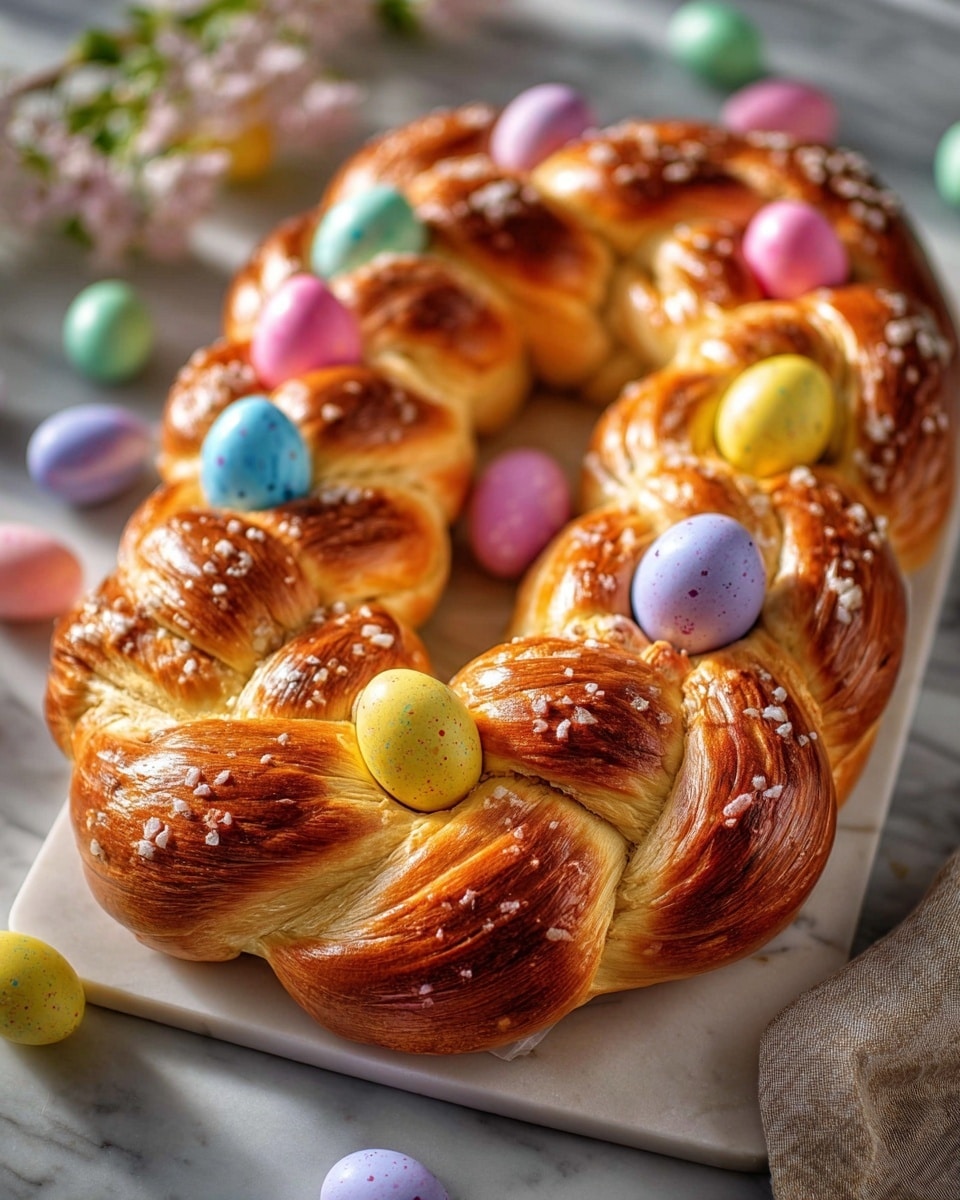
Picture this: the warm, inviting scent of sweet citrus zest mingling with tender dough drifting through your kitchen, promising a celebration in every bite. The golden crust of this braided bread gleams softly under a brush of egg wash, cradling vibrant dyed Easter eggs nestled between the braids, a feast for the eyes before the first slice. Making this Traditional Italian Easter Bread Recipe feels like weaving a festive story with your own hands, a cherished ritual that fills your home with love, tradition, and irresistible flavor.
Why You’ll Love This Traditional Italian Easter Bread Recipe
- Celebratory and Meaningful: This bread isn’t just food—it’s a joyful tradition that brings family and friends together on Easter.
- Perfectly Balanced Flavors: The subtle sweetness from sugar and bright notes of lemon and orange zest create a harmonious taste that delights every palate.
- Beautiful Presentation: The braided circle and colorful Easter eggs make it a natural centerpiece for your holiday table.
- Hands-On Baking Experience: Kneading and braiding offer a satisfying way to connect with the process and slow down for a moment of mindful baking.
- Customizable and Personal: You can easily tweak zest quantities or egg decoration colors to make this bread uniquely yours each year.
Why This Traditional Italian Easter Bread Recipe Works
This recipe wins hearts thanks to its perfectly tender crumb and that crave-worthy glossy crust. The magic starts by blooming the yeast in warm milk to ensure a lively rise, which brings an airy lightness to the bread. The combination of citrus zests infuses delicate brightness that lifts the sweet dough without overpowering it. Finally, the braided shape isn’t just stunning—it allows warmth to circulate evenly during baking, giving you that beautiful golden hue and an even crumb inside. These carefully chosen steps capture the essence of spring and tradition in every bite.
Ingredients You’ll Need
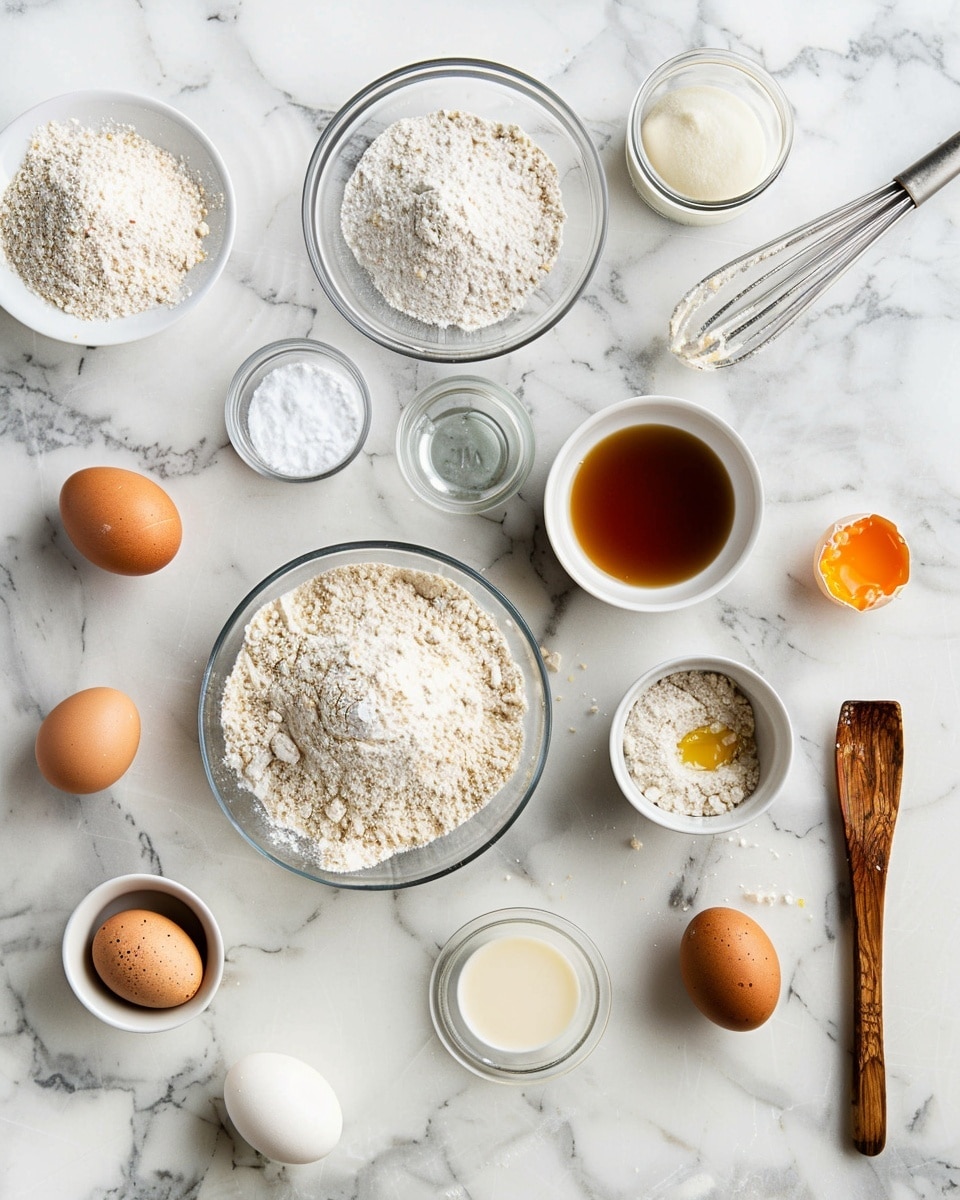
Gathering simple pantry staples, this recipe transforms everyday ingredients into a festive masterpiece with just a few fresh touches.
- All-purpose flour: The foundation for a soft yet sturdy dough that holds the braid shape beautifully.
- Granulated sugar: Adds gentle sweetness that balances the citrus without overwhelming.
- Active dry yeast: The lifeblood of the bread, responsible for that lovely rise and tender crumb.
- Salt: Enhances flavor and balances sweetness perfectly.
- Milk (warmed): Feeds the yeast and adds moisture for a soft dough.
- Unsalted butter (melted): Adds richness and a tender texture.
- Eggs: Provide structure and contribute to the bread’s rich taste and color.
- Vanilla extract: Offers subtle warmth and depth to the flavor profile.
- Grated lemon zest: Delivers fresh citrus aroma that wakes up the senses.
- Grated orange zest: Adds a sweet, floral brightness complementing the lemon.
- Dyed Easter eggs: The iconic decoration and an enchanting nod to Easter traditions.
- Egg wash (egg beaten with water): Creates a glossy, golden crust.
Ingredient Substitutions & Tips
- All-purpose flour: You can use bread flour for a chewier texture or a gluten-free blend for dietary needs, but expect a slight change in crumb.
- Milk: Substitute with any plant-based milk like almond or oat milk warmed to the same temperature for a dairy-free alternative.
- Unsalted butter: Use coconut oil or vegan butter as a flavorful dairy-free option.
- Vanilla extract: If you don’t have vanilla, a splash of almond extract or even a teaspoon of honey can add lovely nuance.
👨🍳 Pro Tips for Perfect Results
- Proof your yeast properly: Make sure the milk is warm but not hot, around 110°F, to wake up the yeast just right.
- Knead with love: Knead until your dough is smooth and elastic, about 8-10 minutes—this develops gluten and gives great texture.
- Let it rise in a warm spot: A cozy corner free from drafts helps your dough double beautifully without rushing it.
- Brush the egg wash gently: Apply a light coat to avoid pooling in crevices, which can lead to uneven browning.
- Don’t skip the final rise: This step ensures a tender inside and a pleasingly light bread once baked.
How to Make Traditional Italian Easter Bread Recipe
Step 1: Prepare the Dough
In a small bowl, stir together warm milk and yeast. Let it rest for 5 to 10 minutes until it becomes frothy and bubbly—your yeast is now excited and ready to do its magic. In a large bowl, mix flour, sugar, and salt to combine the dry ingredients. Add in melted butter, eggs, vanilla, lemon zest, orange zest, and the yeast mixture. Mix thoroughly until everything comes together into a soft yet sticky dough.
💡 Pro Tip: Use a dough hook if you have a stand mixer for ease, but hand mixing works perfectly if you prefer a hands-on approach.
Step 2: Knead the Dough
Turn your dough onto a lightly floured surface and knead for about 8 to 10 minutes. You’re aiming for a smooth, supple dough that springs back when pressed. This kneading step builds strength and elasticity, vital for a satisfying texture.
💡 Pro Tip: If the dough’s a little sticky, sprinkle flour sparingly—too much can dry it out.
Step 3: First Rise
Shape the dough into a ball, place it in a greased bowl, and cover with a clean kitchen towel or plastic wrap. Set it in a warm, draft-free spot for 1 to 2 hours until it doubles in size, turning your kitchen into a cozy bakery.
💡 Pro Tip: For an extra warm rising spot, try the oven with just the light on—not hot, just pleasantly warm.
Step 4: Shape the Bread
Punch down the risen dough to release air, then divide it into three equal parts. Roll each piece into a long rope—around 16 inches works beautifully. Braid them together tightly, then tuck the ends underneath to create a perfect circle. Place your braid on a greased baking sheet, making sure the joints are tucked well to keep the shape.
💡 Pro Tip: Keep your hands lightly floured to prevent sticking, but avoid over-flouring to keep the braids smooth.
Step 5: Decorate with Dyed Easter Eggs
Now for the festive touch: gently press the dyed Easter eggs into the loaf, spacing them out evenly so they nestle snugly between the braids. These eggs create both a stunning visual and an authentic Easter tradition.
💡 Pro Tip: Use clean, hard-boiled eggs and press them firmly, but gently, so they don’t crack prematurely.
Step 6: Final Rise
Cover the shaped and decorated bread with a kitchen towel and let it rise for another 30 to 45 minutes. This last proofing gives the bread its light, airy texture and helps it puff gently around those decorative eggs.
💡 Pro Tip: Don’t rush this step; patience ensures that soft crumb and beautiful oven spring.
Step 7: Bake to Golden Perfection
Preheat your oven to 350°F (175°C). Just before baking, brush the braid gently and evenly with your egg wash, creating that gorgeous golden shine. Bake for 25 to 30 minutes, or until the bread is golden brown and sounds hollow when tapped underneath. Remove from oven and let it cool on a wire rack before slicing.
💡 Pro Tip: If the crust browns too quickly, tent with foil halfway through baking for even color.
Common Mistakes to Avoid
Learn from these common pitfalls:
- Using water that is too hot: This can kill the yeast, resulting in no rise.
- Skipping the second rise: Cutting this short can produce a denser bread lacking fluffiness.
- Over-flouring the dough: Adding too much flour while kneading can create a tough texture.
- Not sealing the braid ends well: The circle may unravel during baking.
- Applying too much egg wash: This causes pooling and uneven browning.
- Pressing dyed eggs too hard: Eggs might crack and lose their decorative appeal before baking.
Delicious Variations to Try
Once you’ve mastered this classic, let your creativity shine with these festive twists:
Citrus and Almond
Add 1/4 cup of finely chopped almonds to the dough and sprinkle sliced almonds on top before baking for a nutty crunch that complements the zesty citrus notes.
Orange Blossom Infusion
Replace the vanilla with 1 teaspoon of orange blossom water to deepen the floral aroma, perfect for a springtime celebration.
Herbed Sweet Bread
Incorporate finely chopped fresh rosemary or thyme into the dough for an herbaceous twist that pairs beautifully with savory Easter dishes.
Cranberry and Orange
Fold 1/2 cup dried cranberries into the dough for bursts of tart sweetness, adding both color and flavor interest.
Seeded Topping
Sprinkle poppy seeds or sesame seeds on the egg-washed crust to add texture and a subtle nutty flavor with each bite.
How to Serve Traditional Italian Easter Bread Recipe
Garnishes
A light dusting of powdered sugar or a drizzle of honey glaze accentuates the bread’s natural sweetness. Fresh spring herbs like mint or basil sprigs beside the cut slices add a fresh, colorful touch.
Side Dishes
Pair this bread with sharp cheeses such as pecorino or a creamy ricotta spread. Fresh fruit salads, soft-boiled eggs, and light salads balance the richness beautifully.
Creative Ways to Present
Serve whole as a stunning centerpiece, allowing guests to pull apart pieces. Wrap slices in parchment paper tied with twine for charming Easter gifts. Display alongside pastel napkins and spring flowers to amplify the festive mood.
Make Ahead and Storage
Storing Leftovers
Wrap the cooled bread tightly in plastic wrap or store in an airtight container to keep it soft. It will stay fresh at room temperature for up to 3 days.
Freezing
Slice the bread before freezing, then wrap portions tightly in cling film and foil. Freeze for up to 2 months for convenient, festive treats anytime.
Reheating
Warm slices in a toaster oven or wrapped loosely in foil at 300°F (150°C) for 8-10 minutes until soft and fragrant, just like fresh-baked.
FAQs
Can I use instant yeast instead of active dry yeast?
Yes! Use slightly less instant yeast (about 1 1/2 teaspoons) and skip the proofing step by mixing it directly with dry ingredients.
Do I have to use dyed eggs in the bread?
The colorful eggs are a traditional decorative touch, but you can opt for plain hard-boiled eggs or skip them entirely without affecting the bread’s taste.
Can I make this bread dairy-free?
Absolutely, substitute milk with plant-based alternatives and butter with vegan margarine or coconut oil.
How important is the citrus zest?
Zesting brings signature brightness and balance to the sweetness—omit at your own risk if you want the authentic flavor!
Can I prepare the dough the day before?
Yes, you can let the dough rise slowly overnight in the refrigerator, then shape and bake the next day for fresher flavor.
What is the best way to dye Easter eggs?
Use food-safe dyes or natural coloring methods (like beet juice or turmeric). Make sure eggs are fully dry before embedding in the dough.
How do I know when the bread is fully baked?
The crust should be golden brown, and tapping the bottom should produce a hollow sound. An instant-read thermometer should read about 190°F (88°C) internally.
Can I add other flavors like cinnamon or nutmeg?
While not traditional, small amounts of warm spices can be added to personalize the bread, but keep the amounts moderate to keep the classic taste intact.
Final Thoughts
Bringing this Traditional Italian Easter Bread Recipe into your kitchen is like opening a warm invitation to tradition, joy, and delicious moments shared with loved ones. The beauty of weaving those braids and the anticipation as the bread rises fills your home with a timeless spirit that transcends generations. Whether it’s your first time or your hundredth, each loaf is a celebration of life’s simple pleasures and shared memories.
Have you tried this Traditional Italian Easter Bread Recipe? I’d love to hear how it turned out! Leave a comment below. If you loved this recipe, please share it with friends and family. Happy cooking! 🌷
PrintTraditional Italian Easter Bread Recipe

This Traditional Italian Easter Bread is a sweet, braided bread enriched with citrus zest and eggs, decorated with vibrant dyed Easter eggs baked right into the dough. Perfect for celebrating the holiday, it offers a soft, slightly sweet texture with a beautiful golden crust.
- Prep Time: 20 minutes
- Cook Time: 30 minutes
- Total Time: 2 hours 20 minutes
- Yield: 12 slices 1x
- Category: Bread
- Method: Baking
- Cuisine: Italian
Ingredients
Dough Ingredients
- 4 cups all-purpose flour
- 1/2 cup granulated sugar
- 2 teaspoons active dry yeast
- 1 teaspoon salt
- 1/2 cup milk, warmed
- 1/4 cup unsalted butter, melted
- 3 large eggs
- 1 teaspoon vanilla extract
- 1 teaspoon grated lemon zest
- 1 teaspoon grated orange zest
Decorations
- Dyed Easter eggs for decoration
- Egg wash (1 egg beaten with 1 tablespoon water) for brushing
Instructions
- Prepare the Dough: In a small bowl, combine warm milk and active dry yeast. Let it sit for 5-10 minutes until the yeast becomes frothy, indicating it is active. In a large mixing bowl, whisk together the flour, sugar, and salt. Add the melted butter, eggs, vanilla extract, lemon zest, orange zest, and the yeast mixture. Stir until a soft, cohesive dough forms.
- Knead the Dough: Transfer the dough onto a floured surface and knead for 8-10 minutes until it becomes smooth and elastic. Place the dough in a greased bowl, cover it with a clean towel or plastic wrap, and allow it to rise in a warm environment for 1-2 hours or until it doubles in size.
- Shape the Bread: After the dough has risen, punch it down gently to remove excess air. Divide the dough into three equal portions. Roll each portion into a long rope. Braid the three ropes together, then shape the braid into a circular form, tucking the ends underneath. Place the shaped braid onto a greased baking sheet.
- Decorate with Eggs: Carefully press the dyed Easter eggs evenly spaced into the braids of the dough, ensuring they are secure but not pressing too hard to deflate the dough.
- Final Rise: Cover the braided dough loosely with a kitchen towel and let it rise again for 30-45 minutes, allowing it to puff up slightly before baking.
- Bake: Preheat the oven to 350°F (175°C). Brush the entire surface of the dough gently with the egg wash to promote a shiny, golden crust. Bake the bread for 25-30 minutes or until the loaf is golden brown and sounds hollow when tapped. Remove from the oven and cool on a wire rack before slicing and serving.
Notes
- Use room temperature eggs and warmed milk to help activate the yeast effectively.
- Ensure the dyed eggs are non-toxic and safe for baking or use plastic eggs as a decorative alternative.
- For a stronger citrus flavor, you can increase the lemon and orange zest to 1.5 teaspoons each.
- Store leftover bread in an airtight container at room temperature for up to 3 days or freeze for longer storage.
- This bread freezes well; wrap tightly and thaw at room temperature before serving.
Keywords: Italian Easter bread, braided bread, holiday bread, traditional Easter recipe, citrus bread, festive bread