Vegetable Samosas Recipe
Picture this: the warm, irresistible scent of spiced potatoes mingling with hot oil fills your kitchen as the golden, crispy samosas sizzle gently in the pan. Each bite offers a delightful crunch that gives way to a fragrant, savory filling bursting with vibrant vegetables and a symphony of spices. This Vegetable Samosas Recipe isn’t just food—it’s a celebration of comfort and flavor rolled into one delightful triangle waiting to be devoured. Whether it’s a cozy night in or a gathering with friends, these samosas promise to impress without demanding all day in the kitchen.
Why You’ll Love This Vegetable Samosas Recipe
- Perfectly Timed: Ready in just about 1 hour, this recipe fits beautifully into your day without rushing or compromising flavor.
- Simple Ingredients: Uses everyday staples like potatoes, all-purpose flour, and common spices to create an authentic taste that’s accessible and wallet-friendly.
- Versatile Snack: Ideal for tea time, appetizers, or a satisfying party treat that everyone will rave about.
- Showstopper Presentation: Crispy golden triangles that look as impressive as they taste, turning every bite into a culinary experience.
- Endlessly Customizable: Easily swap vegetables or adjust spice levels to suit your palate and dietary needs, making it your own signature dish.
Why This Vegetable Samosas Recipe Works
What makes this Vegetable Samosas Recipe truly remarkable is the balance of texture and flavor achieved through simple but thoughtful techniques. The dough is kneaded to silky smooth perfection, creating a sturdy yet tender wrapper that crisps up beautifully when fried. The filling is enriched with cumin seeds that burst with aroma upon sautéing, and a harmonious blend of spices such as garam masala, coriander, and turmeric ensures every mouthful sings with warmth and depth. Plus, allowing the filling to cool before assembly prevents soggy dough, preserving that coveted crunch with every bite.

Ingredients You’ll Need
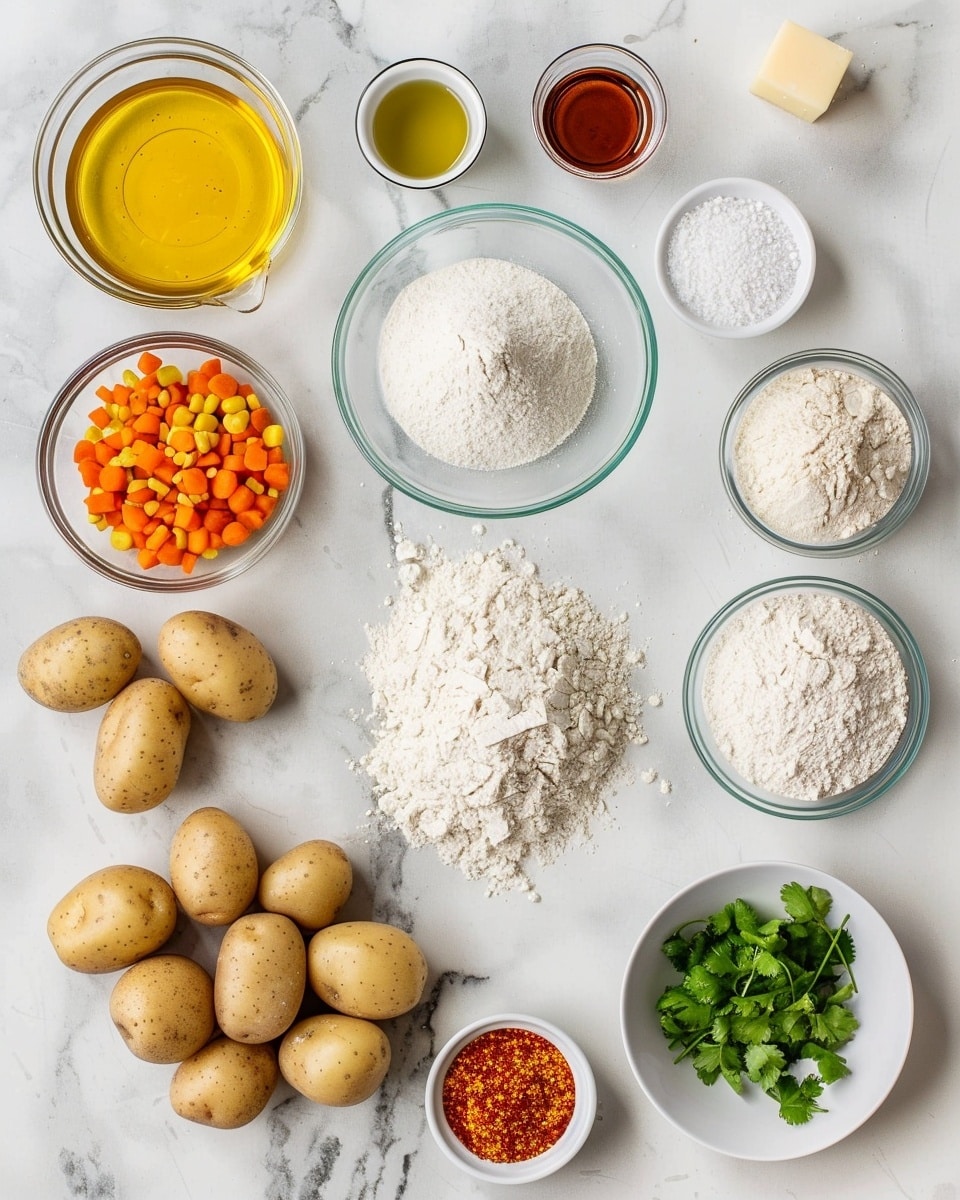
These straightforward ingredients come together effortlessly to build a samosa that’s both authentic and bursting with flavor.
- All-purpose flour: The base for the dough, delivering the perfect crispy shell.
- Vegetable oil: Used in the dough and for frying, providing a neutral flavor and lovely browning.
- Salt: Enhances the natural flavors across both dough and filling.
- Water: To bring the dough together into a smooth, pliable ball.
- Ghee or oil: For frying and sautéing, adds richness and aids in crispiness.
- Potatoes: Boiled and mashed, the hearty backbone of the filling.
- Mixed vegetables (peas, carrots, corn): Adds color, texture, and subtle sweetness.
- Cumin seeds: When sautéed, they release a fragrant warmth with every bite.
- Garam masala, coriander powder, turmeric powder, and red chili powder: Spice blend that transforms simple veggies into a flavor powerhouse.
- Fresh coriander leaves: Bright, fresh garnish that lifts the entire dish.
Ingredient Substitutions & Tips
- Ghee or oil: Use any neutral cooking oil if ghee isn’t available, or coconut oil for a subtle twist.
- Mixed vegetables: Feel free to swap peas, carrots, and corn with finely chopped green beans, cauliflower, or bell peppers for different textures.
- All-purpose flour: Whole wheat flour can be experimented with for a nuttier, heartier crust, though expect a slightly denser texture.
- Red chili powder: Adjust to taste or replace with paprika for a milder heat.
👨🍳 Pro Tips for Perfect Results
- Knead the dough well: Aim for a firm yet pliable texture to avoid tearing when shaping samosas.
- Rest the dough: Letting it sit for 30 minutes relaxes the gluten, making rolling smoother.
- Don’t overcrowd the pan: Fry in small batches to keep the oil temperature steady and ensure crispiness.
- Use fresh spices: For the most vibrant taste, opt for freshly ground garam masala and coriander powder.
- Cool the filling: Ensure the vegetable filling is cool before stuffing to prevent dough from becoming soggy.
How to Make Vegetable Samosas Recipe
Step 1: Prepare the Dough
In a mixing bowl, combine 2 cups of all-purpose flour, 0.5 teaspoon salt, and 1/4 cup vegetable oil. Mix them together until the mixture looks crumbly like coarse sand. Slowly add water, just a little at a time, kneading firmly until you have a smooth and elastic dough. Cover the dough with a damp cloth and let it rest for 30 minutes. This resting period gives your dough the perfect texture for rolling and folding.
💡 Pro Tip: The dough should never be sticky; if it is, incorporate a bit more flour gradually.
Step 2: Make the Filling
Heat 2 tablespoons of ghee or oil in a large skillet over medium heat. Toss in 1 teaspoon cumin seeds, cooking until they start to dance and splutter, filling your kitchen with their nutty aroma. Add in your boiled and mashed potatoes along with 1 cup of mixed boiled vegetables (peas, carrots, corn). Stir gently to combine and warm everything through.
💡 Pro Tip: Use a fork to mash the potatoes to a slightly chunky consistency for a pleasing texture.
Step 3: Spice It Up
Sprinkle 1 teaspoon garam masala, 1 teaspoon coriander powder, 1 teaspoon turmeric powder, 1 teaspoon red chili powder, and a pinch of salt over the veggie mix. Stir well and cook for 5 minutes, letting the spices fully infuse. Remove from heat and allow the filling to cool completely. Just before using, stir in a handful of freshly chopped coriander leaves for a fresh burst of flavor.
💡 Pro Tip: Cooling the filling is key to keeping the samosa wrappers crisp and sealing the flavors.
Step 4: Shape the Samosas
Divide your rested dough into small equal-sized balls. Roll each ball into a thin oval shape on a floured surface. Using a sharp knife, cut the oval in half to create two semi-circles. Take one semi-circle and wet the straight edge lightly with water. Fold it over to form a cone shape, pinching the edges tightly to seal and create a strong pocket for the filling.
💡 Pro Tip: Don’t roll the dough too thin—about 1/8 inch thickness gives the perfect crisp without breaking.
Step 5: Fill and Seal
Open your dough cone and spoon in 1-2 tablespoons of the cooled vegetable filling. Moisten the edges of the open side with water and press firmly to seal the top, ensuring no gaps for the filling to escape during frying.
💡 Pro Tip: Pinching the edges with your fingers pressed tightly prevents oil from seeping in.
Step 6: Fry the Samosas
Heat enough oil in a deep frying pan over medium-high heat for deep frying. To test readiness, drop a small piece of dough into the oil—it should bubble and rise steadily. Carefully add samosas in small batches, frying each side until a golden brown, about 3-4 minutes, turning gently with a slotted spoon. Avoid crowding, which cools the oil and yields greasy samosas.
💡 Pro Tip: Keep the oil temperature consistent for even cooking and a perfect crunch.
Step 7: Drain and Serve
Remove fried samosas with a slotted spoon and place them on paper towels to absorb excess oil. Serve piping hot alongside tangy chutney or cooling yogurt dips for the ultimate snacking experience.
💡 Pro Tip: Serve immediately for the crispiest texture and freshest flavors.
Common Mistakes to Avoid
Learn from these common pitfalls to make your Vegetable Samosas Recipe flawless every time:
- Dough too sticky or dry: Can cause tearing or tough samosas; adjust water and flour carefully.
- Skipping dough resting: Leads to difficult rolling and brittle dough prone to breaking.
- Overfilling samosas: Causes bursting during frying or undercooked edges.
- Oil not hot enough: Results in greasy samosas that absorb too much oil.
- Not sealing edges properly: Filling leaks out, reducing crispness and messes up frying.
- Using cold filling: Can cause dough to soften prematurely and fail to crisp.
Delicious Variations to Try
Once you’ve mastered this Vegetable Samosas Recipe, take your love of samosas to the next level with these tempting variations:
Spinach and Paneer Samosas
Add sautéed spinach and crumbled paneer cheese to the classic vegetable filling for a creamy, nutrient-packed twist.
Sweet Potato and Pea Samosas
Swap regular potatoes for beautifully sweet mashed sweet potatoes with peas for a naturally sweet and comforting flavor.
Spicy Chickpea Samosas
Incorporate mashed chickpeas with your vegetable mix and a hint of extra chili powder for a protein-packed, spicy variation.
Mint and Pea Samosas
Add finely chopped fresh mint leaves to the filling for a refreshing burst that brightens every bite.
Cauliflower and Carrot Samosas
Replace mixed vegetables with finely grated cauliflower and carrots sautéed with the spices for a crunchy, low-carb option.
Lentil Samosas
Use cooked lentils mixed with your spices and potatoes to add earthy flavor and substance to your filling.
How to Serve Vegetable Samosas Recipe
Garnishes
Sprinkle freshly chopped coriander or mint leaves over the samosas for a vibrant color pop and fresh aroma. A light dusting of chaat masala lends a tangy, savory kick.
Side Dishes
Pair samosas with tangy tamarind chutney, refreshing mint-cilantro chutney, or a creamy yogurt raita. A crisp cucumber salad or pickled onions alongside complement the richness perfectly.
Creative Ways to Present
Serve samosas on a rustic wooden platter piled high with garnishes and chutney bowls artfully placed around. For gatherings, thread samosas on skewers with cherry tomatoes and mint leaves for a fun, bite-sized presentation that’s perfect for guests.
Make Ahead and Storage
Storing Leftovers
Keep leftover samosas in an airtight container in the refrigerator for up to 2 days. Reheat in a toaster oven or conventional oven for best texture; microwaving may make them soggy.
Freezing
Shape and fill samosas but freeze them uncooked on a baking sheet until solid, then transfer to a freezer bag. Freeze up to 3 months. Fry them straight from frozen, adding a couple of extra minutes to cooking time to ensure thorough heating.
Reheating
Reheat samosas in an oven at 350°F (175°C) for 8-10 minutes until hot and crisp. Avoid microwaving if possible to keep the outer shell crunchy and delicious.
FAQs
Can I bake these samosas instead of frying?
Yes! Brush them with oil and bake at 375°F (190°C) for 20-25 minutes until golden and crisp for a healthier alternative.
What’s the best way to keep samosas crispy after frying?
Drain well on paper towels and serve immediately. If storing, reheat in the oven rather than microwaving.
Can I use gluten-free flour for the dough?
Gluten-free flours may alter the texture significantly. If you try, consider blending flours and adjusting liquid amounts carefully.
How spicy is this Vegetable Samosas Recipe?
Moderate heat from red chili powder; adjust to taste or omit for a milder version.
Can I prepare the dough or filling ahead of time?
Absolutely! The dough can rest refrigerated overnight, and filling can be made a day ahead and stored cold.
Is this recipe suitable for vegan diets?
Yes, just substitute ghee with vegetable oil and ensure any sides are also vegan-friendly.
What oil is best for frying samosas?
Use neutral oils with a high smoke point like vegetable or canola oil for best results.
How can I make samosas less oily?
Maintain high oil temperature and avoid overloading the pan to prevent sogginess.
Final Thoughts
There’s something undeniably magical about crafting your own vegetable samosas—from rolling out the soft dough to biting into those crisp, flavorful pockets filled with seasoned veggies. This Vegetable Samosas Recipe strikes a balance between tradition and ease, making it a cherished go-to for family snacks and festive dinners alike. Its inviting aroma and satisfying crunch promise smiles with every bite.
Have you tried this Vegetable Samosas Recipe? I’d love to hear how it turned out! Leave a comment below. If you loved this recipe, please share it with friends and family. Happy cooking! 😊
PrintVegetable Samosas Recipe

Crispy and flavorful Vegetable Samosas filled with a spiced mixture of mashed potatoes and mixed vegetables, perfect as a snack or appetizer. These samosas have a flaky dough exterior and a savory, aromatic filling seasoned with traditional Indian spices.
- Prep Time: 40 minutes
- Cook Time: 20 minutes
- Total Time: 1 hour
- Yield: 12 servings 1x
- Category: Snack
- Method: Frying
- Cuisine: Indian
- Diet: Vegetarian
Ingredients
Dough:
- 2 cups all-purpose flour
- 1/4 cup vegetable oil
- 0.5 teaspoon salt
- Water as needed for dough
Filling:
- 2 medium potatoes, boiled and mashed
- 1 cup mixed vegetables (peas, carrots, and corn), boiled
- 1 teaspoon cumin seeds
- 1 teaspoon garam masala
- 1 teaspoon coriander powder
- 1 teaspoon turmeric powder
- 1 teaspoon red chili powder
- Salt to taste
- Fresh coriander leaves, chopped (for garnish)
Frying:
- 2 tablespoons ghee or oil (for frying)
- Oil for deep frying (quantity as needed)
Instructions
- Prepare the Dough: In a mixing bowl, combine the all-purpose flour, salt, and vegetable oil. Mix well until crumbly. Gradually add water, little by little, kneading until you have a smooth and firm dough. Cover the dough with a damp cloth and let it rest for 30 minutes.
- Make the Filling: In a large skillet, heat ghee or oil over medium heat. Add cumin seeds and sauté until they start to splutter. Then, add the boiled potatoes and mixed vegetables.
- Spice it Up: Stir in garam masala, coriander powder, turmeric powder, red chili powder, and salt. Mix well and cook for 5 minutes to allow the spices to infuse. Remove from heat and let it cool. Add chopped coriander leaves and combine the mixture.
- Shape the Samosas: Divide the rested dough into small balls. Roll each ball into a thin oval shape. Cut the oval in half to form two semi-circles. Take one semi-circle, and with a little water, seal the curved edge to create a cone shape, pinching the edges together to ensure it’s well-sealed.
- Fill and Seal: Open the cone and add about 1-2 tablespoons of the vegetable filling. Seal the top edge by moistening it with a bit of water and pinching together to secure the filling inside.
- Fry the Samosas: In a deep frying pan, heat oil over medium-high heat. Once hot, carefully add the samosas in batches, frying them until golden brown and crispy on all sides (about 3-4 minutes). Be sure not to overcrowd the pan.
- Drain and Serve: Remove and place the samosas on paper towels to drain excess oil. Serve hot with chutney or yogurt sauce for dipping.
Notes
- Ensure the dough is firm but pliable to get perfectly shaped samosas.
- Do not overcrowd the frying pan to maintain oil temperature and achieve even frying.
- Adjust the spice level by modifying red chili powder according to your preference.
- For a healthier option, samosas can be baked, but frying provides the traditional crispy texture.
- Leftover samosas can be reheated in an oven to maintain crispiness.
Keywords: Vegetable samosas, Indian snack, potato samosas, spiced samosas, vegetarian appetizer, fried pastry